As enterprises scale, managing operations via fragmented software or manual spreadsheets not only consumes excessive time but also entails significant operational risks. This explains why ERP is becoming a top priority for many businesses in their digital transformation journey.
So, what is ERP, why is it considered the "key" to modern corporate governance, and which ERP software is currently popular in Vietnam? This article will help you understand the core nature of ERP and provide a practical perspective for selecting the most suitable solution.
1. What is ERP? Key modules in ERP software
ERP (Enterprise resource planning) is an enterprise resource planning system that enables the integration and management of all core activities—such as accounting, human resources, sales, logistics, and manufacturing—on a single unified platform.
Through ERP systems, businesses can optimize operational workflows, save time by accessing various departments via a single interface, synchronize data, and provide leadership with a comprehensive overview of the business performance.
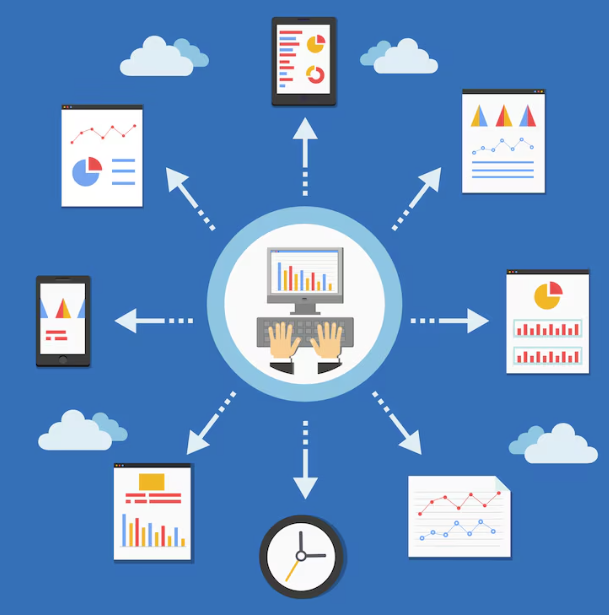
ERP software operates on the principle of a centralized database with interconnected modules. When data is entered into one module (e.g., sales), the information automatically updates across related modules such as accounting, inventory, and accounts receivable. This reduces manual errors, saves time, and enhances overall work efficiency.
Key modules in ERP software
Depending on the provider and business scale, ERP software may include various functional modules. Below are the most common and critical ERP modules:
- Finance and accounting: Manages all financial activities, accounting, revenue-expenditure, accounts receivable/payable, and financial reporting. It helps businesses control cash flow and ensure regulatory compliance.
- Human resource management (HRM): Manages employee profiles, timekeeping, payroll, and performance appraisals. It supports workforce optimization and reduces administrative burdens.
- Sales management: Tracks the entire sales process from quotations and orders to revenue and customer debts. It enhances sales efficiency and monitors commercial activities.
- Procurement/Purchasing management: Manages purchase requisitions, purchase orders, and vendor relationships. It assists in controlling input costs and ensuring a stable supply chain.
- Inventory and warehouse management: Tracks real-time inbound, outbound, and stock levels while managing storage locations. It optimizes inventory turnover and minimizes loss.
- Customer relationship management (CRM): Stores customer information and tracks interaction history and customer service. It helps improve the customer experience and increases retention rates.
- Reporting and analytics: Provides consolidated reports and real-time visual dashboards. It enables executives to make fast and accurate data-driven decisions.
- Manufacturing management: Supports production planning, bill of materials (BOM) management, and progress tracking. It boosts productivity and controls production costs.
ERP is not merely software but a comprehensive management solution that helps businesses optimize resources, improve operational efficiency, and increase competitiveness. Understanding what ERP is and its core modules will help businesses select and implement a system tailored to their actual needs.
Note: Not all ERP software is required to have the full suite of functional modules with the exact names listed above. Some systems may include additional modules or combine/split features. For instance, a logistics-focused ERP might include a freight operations management module, while a manufacturing ERP often features smart production planning. The diversity and maturity of each module depend on the provider and the specific requirements of the enterprise.
2. Benefits of implementing ERP for businesses

Implementing ERP is not merely an investment in technology but an investment in management capability and the long-term development of the enterprise. With clear benefits in operational efficiency, cost control, and decision support, ERP is becoming an indispensable solution for modern businesses.
Data synchronization and management processes
ERP helps centralize data from all departments such as accounting, human resources, sales, and logistics on a single platform. Consequently, information is updated in real-time, minimizing errors and eliminating data silos between departments. From there, leadership can make rapid decisions based on pre-analyzed data or periodic reports.
Enhancing employee productivity
When processes are automated and standardized on the ERP system, employees significantly reduce repetitive manual tasks such as data entry, report analysis, and inventory calculation. This saves time, increases productivity, and allows the workforce to focus on high-value tasks. Furthermore, by integrating AI into ERP, employees are supported by AI assistants or chatbots to maintain and enhance customer relationships.
Cost control and resource optimization
ERP software allows businesses to closely monitor operating costs, inventory, personnel, and cash flow. Thanks to accurate data analytics, enterprises can easily detect waste and utilize resources more effectively. In the current automation trend, process optimization is one of the primary benefits that ERP software brings to the enterprise.
Supporting fast and accurate decision-making
ERP provides a reporting system and intuitive real-time dashboards, helping management gain a comprehensive view of business operations. Strategic decisions are made based on reliable data-driven insights instead of intuition.
Improving customer experience
By integrating sales data, inventory, and CRM, ERP helps businesses respond to customers faster, process orders more accurately, and enhance service quality. An improved customer experience contributes to higher satisfaction levels and long-term customer retention.
Seamless scalability for business growth
ERP software is designed with flexible scalability, allowing businesses to add modules or users as their scale expands. This provides a robust foundation for long-term sustainable development.
Enhancing competitiveness in the digital age
The application of ERP helps businesses operate professionally, optimize costs, and react swiftly to market fluctuations. This represents a critical competitive advantage in the context of intensive digital transformation.
Read more: The importance of ERP for synchronizing departments in a business
Read more: How does ERP connect and optimize each department in a logistics
3. Erp software classification
On the current market, ERP software is developed with various deployment models to meet the diverse needs of enterprises regarding scale, industry, and budget. Understanding the different types of ERP software helps businesses select the appropriate solution and optimize investment efficiency.
Based on various characteristics, ERP software is categorized into:
- On-premise ERP: On-premise ERP is a type of software installed directly on the enterprise's own server infrastructure. The business maintains full control over data management, infrastructure, and system security.
- Cloud-based ERP: Cloud ERP is an ERP solution deployed and operated on a cloud computing platform, allowing users to access the system anytime and anywhere via the internet.
- Open source ERP or customized ERP: Open source ERP allows businesses to customize and develop the system according to their specific requirements. Some popular open source ERP solutions include Odoo.
Pros
|
Cons
| |
On premise ERP |
High data control
Suitable for enterprises with strict security requirements
|
Large initial investment cost
Requires an in-house IT team for operation and maintenance
|
Cloud-based ERP |
Low initial investment cost
Easy to deploy and scale
Suitable for small and medium-sized enterprises (SMEs)
|
Dependent on internet connectivity
Customization levels may be more limited compared to On-Premise
|
Open Source ERP |
Low licensing fees
Flexibility in customization
|
Requires a highly skilled technical team
Heavily dependent on the implementation partner
|
Based on scale and management complexity, ERP systems can be categorized into:
- ERP for small and medium-sized enterprises (SMEs): User-friendly interface, cost-effective, and easy to deploy.
- Enterprise-level ERP: Advanced modules, high customization, and superior scalability.
Selecting an ERP system based on scale helps businesses avoid resource wastage and ensures alignment with actual operational requirements.
Furthermore, some ERP software is purpose-built for specific sectors such as manufacturing, commerce, retail, construction, logistics, or services. These solutions typically feature pre-integrated industry-specific business processes.
Every ERP software variant has its own strengths and weaknesses, catering to diverse business models. Clearly defining requirements, budget, and growth trajectory will enable businesses to select the most optimal ERP solution.
Read more: What is Cloud ERP?
4. Criteria for selecting suitable ERP software
Selecting the right ERP software plays a pivotal role in determining the success of the ERP implementation process within an enterprise. A robust ERP system not only meets current requirements but must also be flexible to accompany the long-term development of the business. Below are the key criteria that businesses should consider when selecting ERP software.
Choosing the right ERP software helps businesses implement the system effectively and optimize investment costs. To ensure the ERP meets actual operational needs, businesses should consider the following key criteria:
- Alignment with scale and industry: the ERP must meet core business processes, avoiding redundant or insufficient functionality.
- Comprehensive essential modules: the system should integrate modules such as accounting, human resources, sales, inventory, CRM, or manufacturing.
- Scalability and customization: the ERP needs to be flexible to meet future expansion requirements.
- Reasonable cost: businesses should evaluate the total cost of ownership (TCO), including implementation and operation, rather than just the initial procurement cost.
- Ease of use and technical support: a user-friendly interface combined with professional support services ensures the ERP is utilized effectively.
Future scalability of the ERP system: an ideal ERP software should not only address current needs but also offer the scalability to evolve with the business, allowing for the addition of new modules and feature upgrades over time.
5. Summary of popular ERP software in Vietnam
5.1 Odoo ERP

Source: Internet
Odoo ERP is an open-source ERP software widely used globally and increasingly popular in Vietnam. Odoo provides a unified enterprise management platform with dozens of modules, allowing businesses to implement the system partially or in its entirety.
The greatest strength of Odoo is its scalability and flexible customization according to various business models. Additionally, Odoo possesses a rich module ecosystem, making it easy for enterprises to integrate additional functions as they scale. Thanks to its open-source nature, businesses can proactively adjust the system according to actual needs and long-term strategies.
Odoo ERP is suitable for:
- Small and medium-sized enterprises (SMEs)
- Startups and fast-growing businesses
- Enterprises requiring a flexible, scalable ERP with cost control
Read more: What is Odoo? Outstanding features in Odoo Software
5.2 Sota ERP
Source: Sota Solutions
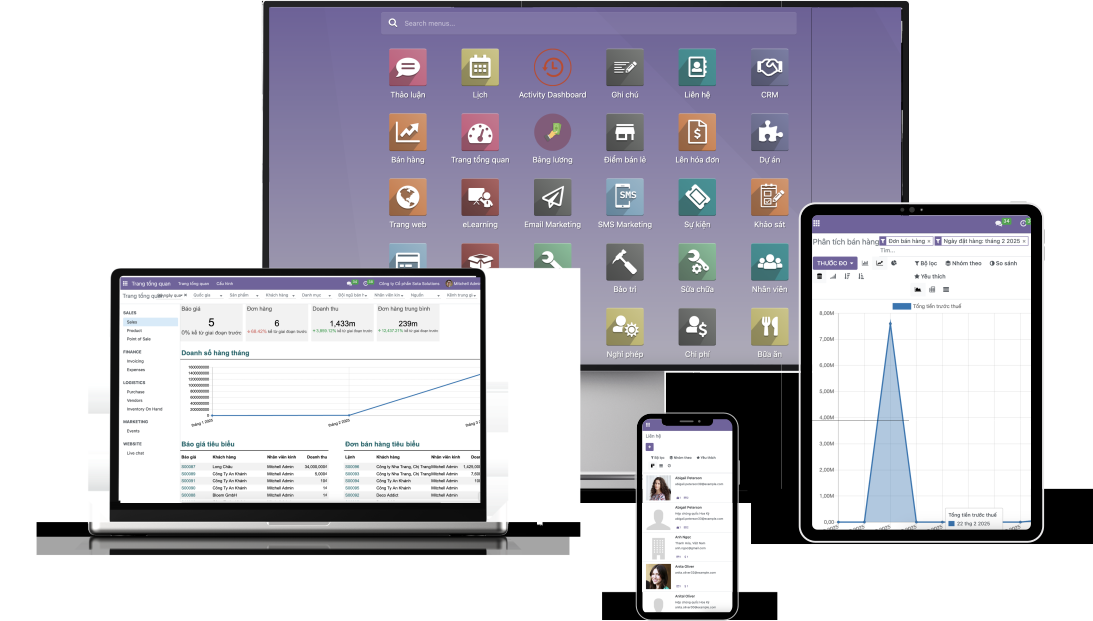
Sota ERP is an ERP solution developed by a Vietnamese enterprise, focusing on solving management problems based on operational processes and the legal environment in Vietnam. The software aims to customize the ERP system according to specific industries. Sota ERP places special emphasis on closely following actual processes, helping businesses minimize the gap between the system and daily operations.
Strengths of Sota ERP:
- Deep understanding of Vietnamese business operations
- Compliance with local accounting, tax, and operational standards
- Easy communication, deployment, and support in Vietnamese
- Customized according to the actual processes of each enterprise
Sota ERP is particularly suitable for:
- Medium and large enterprises in Vietnam
- Manufacturing and trading enterprises with specific processes
- Enterprises prioritizing an ERP that is close to reality rather than complex international standards
For the logistics industry, Sota Solutions offers a specialized version of Sota ERP called Sota FMS. This software is optimized specifically for logistics, flexibly meeting the needs of businesses of all scales—from simple operational models to complex business chains.
With freight modules specifically designed for the Logistics & Forwarding industry and deep AI integration such as AI-OCR and AI assistant, Sota FMS helps logistics companies automate and enhance work performance. Notably, the platform is compatible with various devices, making it suitable for mobile workforces who need to access the system anytime, anywhere.
5.3 Microsoft Dynamics 365

Source: Internet
Microsoft Dynamics 365 is a platform that combines ERP and CRM, deeply integrated with the Microsoft ecosystem such as Office 365, Power BI, and Azure. This solution is suitable for medium and large enterprises, especially FDI enterprises or multinational companies. Dynamics 365 helps businesses synchronously manage financial, sales, and operational data on a unified platform, enhancing analytical and decision-making capabilities.
5.4 MISA AMIS ERP

Source: Internet
MISA AMIS ERP is a purely Vietnamese ERP software deployed on a cloud platform, prominent for its accounting, human resources, and sales modules. The software is user-friendly and meets Vietnamese accounting and tax regulations well. Thanks to cloud deployment, MISA AMIS ERP helps businesses save on infrastructure costs and provides easy access anytime, anywhere.
- Suitable for: Small and medium-sized enterprises, trading and service companies
- Limitations: Limited customization and manufacturing management capabilities
5.5 SAP (SAP Business One & SAP S/4HANA)

Source: Internet
SAP ERP (SANguồn: InternetP Business One & SAP S/4HANA) is the world's leading ERP solution, supporting comprehensive management from finance and manufacturing to the supply chain. SAP is built according to international management standards, helping businesses control data and operate at a large scale with high stability.
- Suitable for: Large enterprises and multinational corporations
- Limitations: High investment costs and complex implementation
Read more: SAP B1 migration to ERP Cloud: What solutions are available for businesses not yet ready?
5.6 Oracle NetSuite ERP
Source: Internet
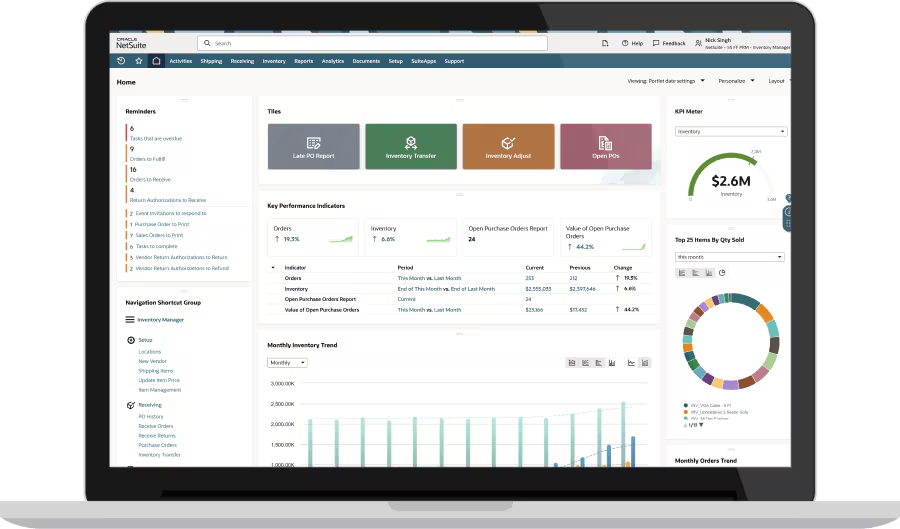
Oracle NetSuite ERP is a powerful cloud ERP platform supporting multi-subsidiary, multinational, and multi-currency management. This solution allows businesses to operate centrally on a single system, suitable for global business models and rapid growth.
- Suitable for: Internationally expanding enterprises
- Limitations: Not yet popular in Vietnam, high cost
In the Vietnamese market today, international ERPs like SAP, Oracle, or Microsoft Dynamics 365 are suitable for large enterprises requiring global management standards. Meanwhile, domestic and open-source ERP solutions such as Sota ERP, Odoo, or MISA AMIS offer flexible choices suitable for growing SMEs.
Read more: The best ERP solutions in Vietnam
6. Conclusion
ERP is not merely management software but a strategic foundation that enables enterprises to enhance operational excellence and competitiveness in the digital era. Understanding what erp entails and identifying prevalent erp systems in vietnam will empower businesses to make informed investment decisions. Depending on scale, industry, and budget, each organization can select the most appropriate erp solution to optimize resource allocation and ensure long-term sustainable growth. Contact us to receive complimentary documentation on erp solutions and expert consultation on the latest technological advancements.