In the era of rapid globalization and e-commerce expansion, the logistics sector serves as the backbone of the global supply chain. however, as market competition intensifies, service quality alone is no longer a sufficient differentiator. instead, the quality of customer care in logistics is emerging as the primary lever for businesses to elevate user experiences, streamline operations, and forge long-term strategic partnerships.
Today’s logistics clients look beyond freight costs; they demand transparency, processing speed, real-time shipment tracking, and professional support services. without an efficient system to manage customer data and transaction histories, enterprises risk delayed responses, operational inaccuracies, and a loss of trust from their partners. consequently, adopting modern customer management solutions specifically logistics-focused CRM software has become an inevitable industry trend.
This article explores the critical role of customer management within the logistics sector, the tangible benefits it brings to the enterprise, and the solutions available to optimize care and retention in an increasingly volatile market.
1. What is customer management in the logistics industry?

Customer management in the logistics sector is the process of collecting, storing, managing, and analyzing all customer-related data throughout the entire lifecycle of the partnership from initial prospecting, quoting, and contracting to service execution and post-sales support. The objective of this activity is to enable logistics enterprises to gain a deep understanding of individual customer needs, enhance service quality, and optimize business performance.
In the logistics industry, customers typically exhibit unique characteristics such as high shipping frequencies, stringent requirements for delivery lead times, cost sensitivity, and a demand for end-to-end transparency. Consequently, customer management extends beyond storing basic contact details; it encompasses tracking order history, transit routes, commodity types, contractual terms, and specific customer-driven requirements.
Key components of logistics customer management
An effective customer management system within the logistics framework generally includes the following core elements:
- Customer profile management: Maintaining comprehensive records of corporate entities, key stakeholders, industry verticals, shipping requirements, and transaction history.
- Order and contract tracking: Logging detailed shipment records, transit times, contractual obligations, and service level agreements (SLAs).
- Interaction and relationship management: Monitoring communication history across email and telephony, technical support logs, and claims management.
- Customer data analytics: Evaluating behavioral patterns, service utilization frequency, and profitability metrics across different customer segments.
- Industry-specific modules: Integrating specialized logistics content tailored to unique workflows and operational stages.
Read more: Why do Frienght Forwader business need a specialized CRM
2. The importance of customer management in logistics

Customer management in logistics plays a pivotal role in enhancing service quality and competitive advantage. Effective customer management not only allows businesses to maintain tight control over information but also establishes the foundation for a sustainable growth strategy.
Enhancing customer experience and satisfaction
Logistics clients typically demand high standards regarding delivery timelines, shipment tracking capabilities, and information transparency. When a business manages its customers effectively, all data regarding orders, transaction history, and special requirements are centralized, enabling:
- Rapid response to customer inquiries
- Minimization of operational errors
- Increased trust and overall satisfaction levels
Increasing customer retention
In a hyper-competitive landscape, while acquiring new prospects is important, retaining existing clients delivers significantly higher value. Efficient customer management helps businesses:
- Gain deep insights into customer needs and service utilization patterns
- Develop tailored loyalty policies for specific customer segments
- Maintain long-term partnerships and stabilize revenue streams
Optimizing business and operational processes
When customer information is managed systematically, sales, operations, and customer service departments can collaborate more seamlessly. This integration leads to:
- Reduced processing time for orders and ad-hoc requests
- Optimized resource allocation and lower operating costs
- Improved performance across the entire organizational system
Supporting strategic decision-making
Customer data is a vital intelligence source that helps logistics providers make precise strategic moves. By analyzing this data, enterprises can:
- Forecast future shipping demand
- Identify high-potential customer segments
- Formulate pricing and service strategies aligned with market trends
Creating a sustainable competitive advantage
While many logistics providers offer similar services, the customer experience is the ultimate differentiator. Superior customer management enables businesses to:
- Personalize logistics service offerings
- Strengthen brand equity
- Sharpen their competitive edge in the long-term market
3. Challenges in logistics customer management
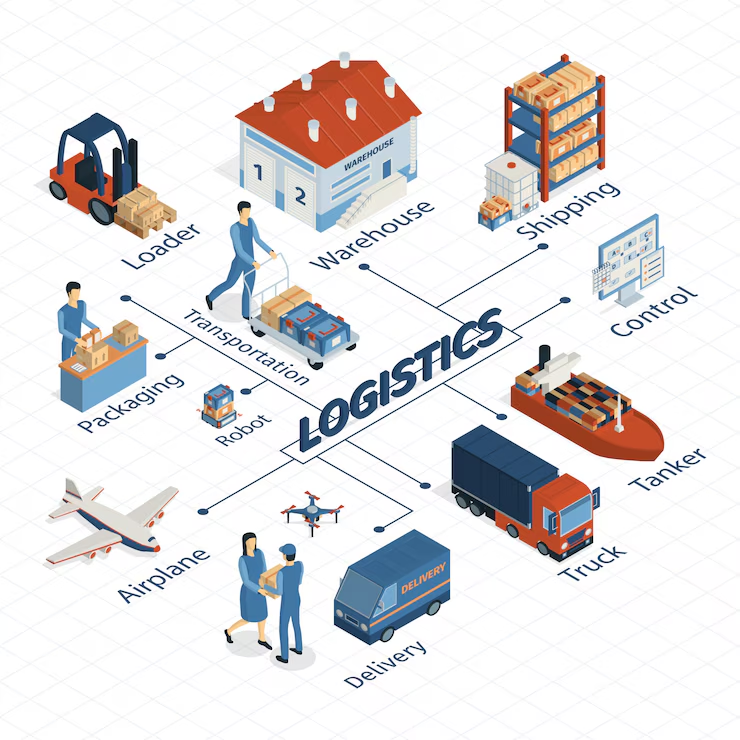
Despite playing a critical role in business operations, customer management in the logistics industry faces numerous hurdles, particularly as client demands escalate and market competition intensifies. Failure to identify and address these difficulties in a timely manner can lead to service quality degradation and a loss of competitive advantage for logistics providers.
Fragmented and non-synchronized customer data
One of the most significant challenges in logistics customer management is data silos across sales, operations, accounting, and customer service departments. Managing data manually via Excel or fragmented systems results in:
- Inconsistent customer information
- Difficulty in tracking transaction and order history
- Increased risk of operational errors
Obstacles in tracking order history and customer interactions
Logistics is characterized by high order volumes, complex routes, and multiple stakeholders. Without a centralized management system, enterprises struggle to:
- Monitor the complete shipping history of each client
- Track whether specific requests or complaints have been resolved
- Ensure continuity in customer service activities
Lack of personalized customer care
Many logistics providers still apply a "one-size-fits-all" approach to customer service, lacking segmentation based on specific needs and client value. This leads to:
- Customers feeling underserved or undervalued
- Services failing to align with specific expectations
- Reduced satisfaction and lower long-term retention rates
Absence of data analytics tools
Inadequate exploitation of customer data prevents logistics firms from:
- Analyzing shipping behaviors and requirements
- Forecasting service usage trends
- Developing tailored business strategies This represents a major barrier for companies looking to scale and optimize revenue.
Competitive pressure and rising customer expectations
Today’s clients have a wealth of options and are quick to switch providers if their experience falls short. Logistics enterprises must confront:
- Pressure on pricing and service excellence
- Requirements for rapid response and information transparency
- An increasing demand for service customization
4. Implementing effective CRM software in the logistics industry
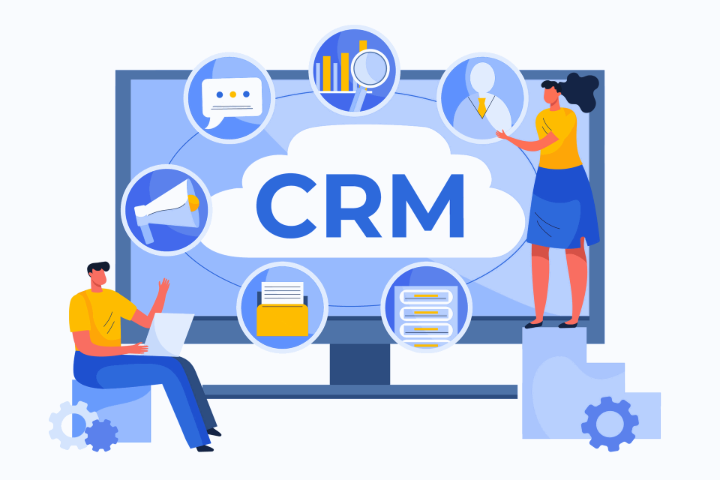
Currently, many enterprises are adopting specialized logistics CRM software to automate and optimize customer management. A CRM helps synchronize data across sales, operations, and support teams, thereby reducing errors, saving time, and enhancing the overall customer experience.
By managing customers through a scientific and systematic approach, logistics firms can build sustainable relationships, increase retention rates, and secure a long-term competitive edge. Unlike generic multi-industry CRMs, a specialized logistics CRM is not only focused on contact management but is also deeply integrated with operations, orders, and service contracts, allowing for comprehensive lifecycle management.
Key features of specialized logistics CRM
Compared to general-purpose CRMs, a logistics-specific CRM offers deep functionality tailored to the industry's unique operational needs, including:
- Customer management linked to logistics orders: Detailed tracking of shipping history, routes, cargo types, frequency, and special requirements for each client.
- Quotation and contract management: Storing and monitoring quotes and contracts by route, service type, and Service Level Agreement (SLA) terms.
- Sales team management: Recording all communication history, support tickets, and incident resolutions to ensure consistent service quality.
- Customer segmentation and valuation: Grouping clients by value, profitability, or usage frequency to build appropriate engagement strategies.
- Integration with operational systems: Connecting the CRM with TMS (Transport Management System), WMS (Warehouse Management System), or ERP to ensure data is updated in real-time.
5. Key benefits of implementing logistics CRM in customer management
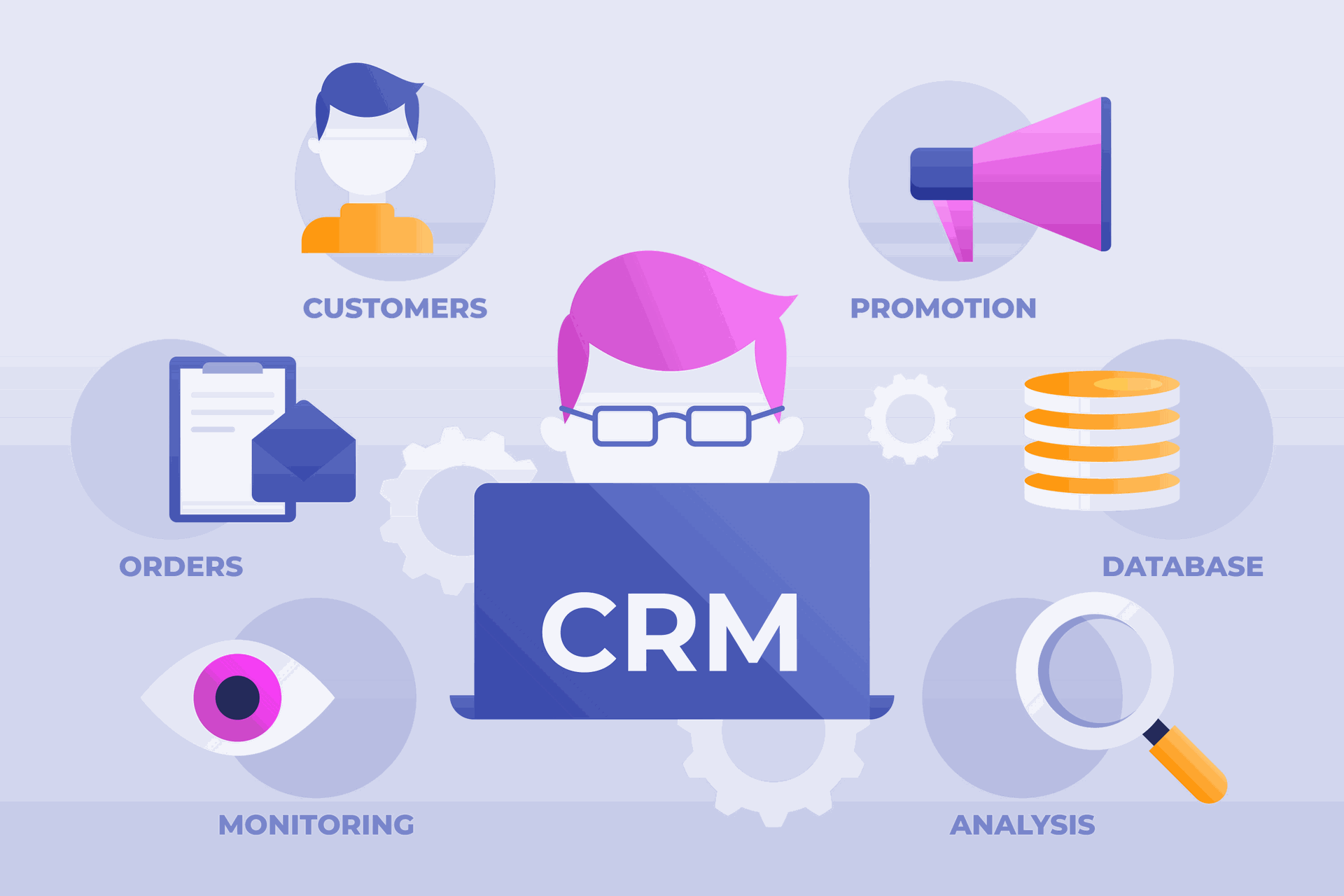
By addressing the aforementioned challenges, logistics CRM software enables enterprises to manage their clientele more systematically, cohesively, and efficiently. below are the most critical benefits for logistics firms when deploying a CRM into their customer management operations.
Centralized and synchronized customer data
A logistics CRM allows for the storage of all client information within a single system, including contact details, transaction history, orders, contracts, and special requirements. consequently, customer data remains synchronized across sales, operations, and customer service departments, effectively eliminating data silos, errors, and duplications.
Enhanced customer experience and satisfaction
Logistics CRM enables businesses to track the full interaction history and specific needs of each client, allowing for the personalization of logistics services. providing rapid, accurate responses tailored to specific demands enhances the overall customer experience, boosts satisfaction levels, and fosters long-term trust.
Optimized sales and service workflows
Through a CRM, logistics providers can manage the entire lifecycle—from initial prospecting and quoting to contract execution and after-sales support. automating these workflows reduces processing time, increases productivity, and ensures consistency in customer management.
Data-driven insights for strategic decision-making
Logistics CRM software provides intuitive reports and data analytics tools that help businesses evaluate performance by customer segments, shipping routes, or service types. this data serves as a vital foundation for leadership to make accurate and timely strategic decisions.
Improved cross-departmental collaboration
A logistics CRM acts as a unified platform connecting various departments. when all customer information is updated in real-time, teams can collaborate more closely, minimizing operational friction and improving the overall quality of client management.
Sustainable competitive advantage
In a market where many providers offer similar logistics services, professional customer management through a CRM creates a differentiator in service quality and experience. this is the key factor that helps enterprises sharpen their competitive edge and achieve sustainable growth in the industry.
Read more: Maximize the effeciency of transportation in logistics operation with CRM
6. Sota CRMlog - AI integrated customer relationship management specialized for logistics enterprises
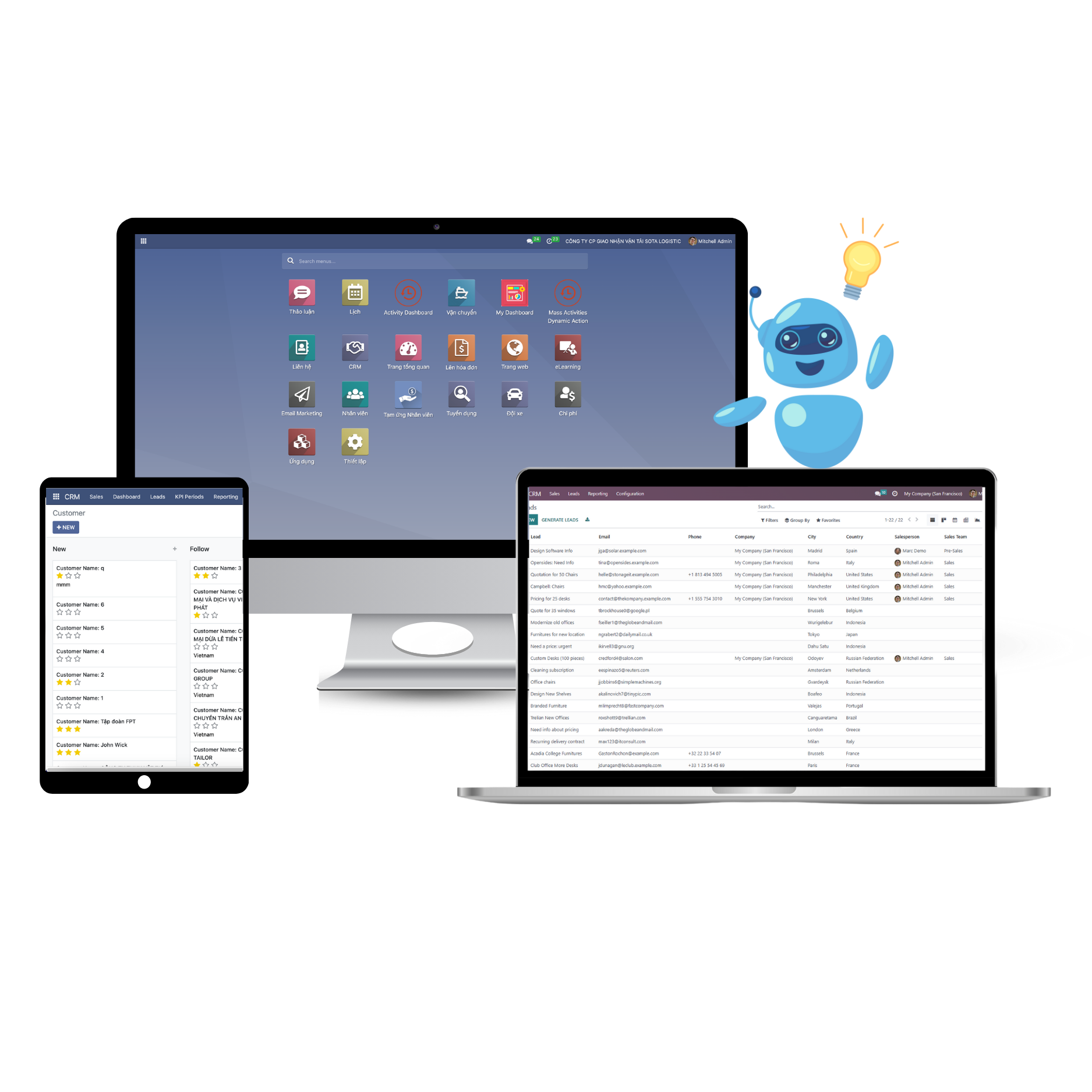
Sota CRMlog, developed by Sota Solutions, stands as a premier example of digital transformation in logistics operations. By digitizing workflows, it empowers logistics providers to enhance operational efficiency and customer care, ultimately driving revenue growth and sharpening their competitive edge in the industry.
6.1 Key features of Sota CRMlog
Specialized logistics CRM management
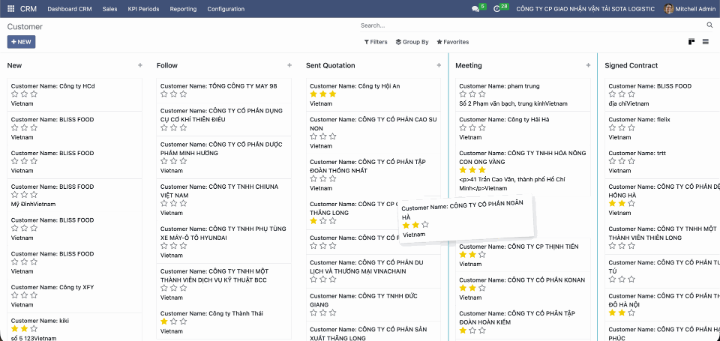
The platform enables enterprises to centralize and manage comprehensive customer profiles. This ranges from basic contact details like names, emails, and phone numbers to industry-specific data such as preferred shipping routes, customer status, and interaction history. A centralized database allows sales teams to proactively engage, nurture, and convert leads. Consequently, logistics firms can maximize the value of their data, eliminate missed business opportunities, and optimize relationship management.
Sales team management
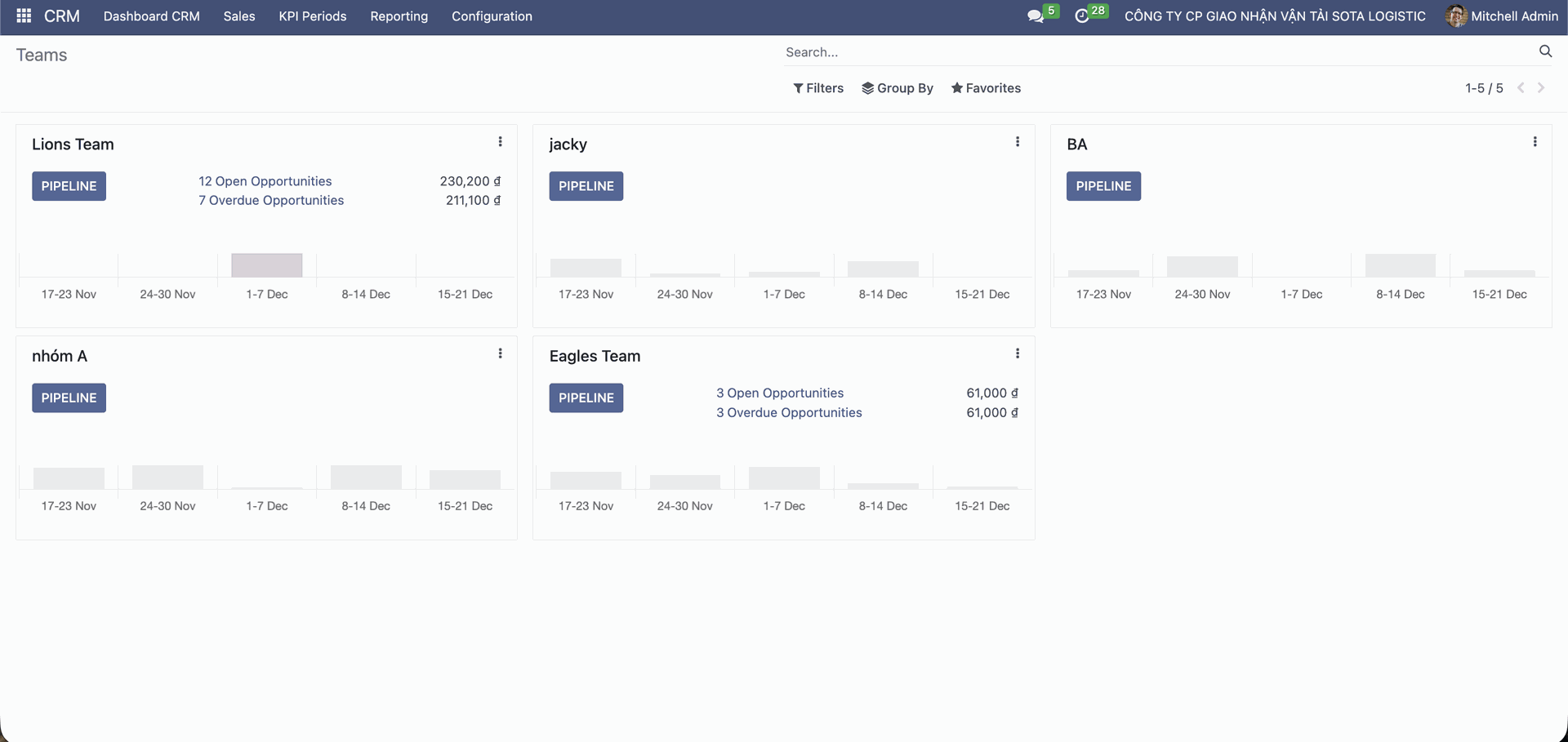
Sota CRMlog tracks the entire sales lifecycle, including call logs, meeting schedules, sent quotations, and lead outcomes. All data is recorded transparently within the system, allowing managers to monitor individual performance with ease. Furthermore, the CRM supports team structuring, access control, KPI setting, and multi-stage evaluation. This builds a transparent, efficient, and scalable sales management framework for the logistics sector.
Quotation management
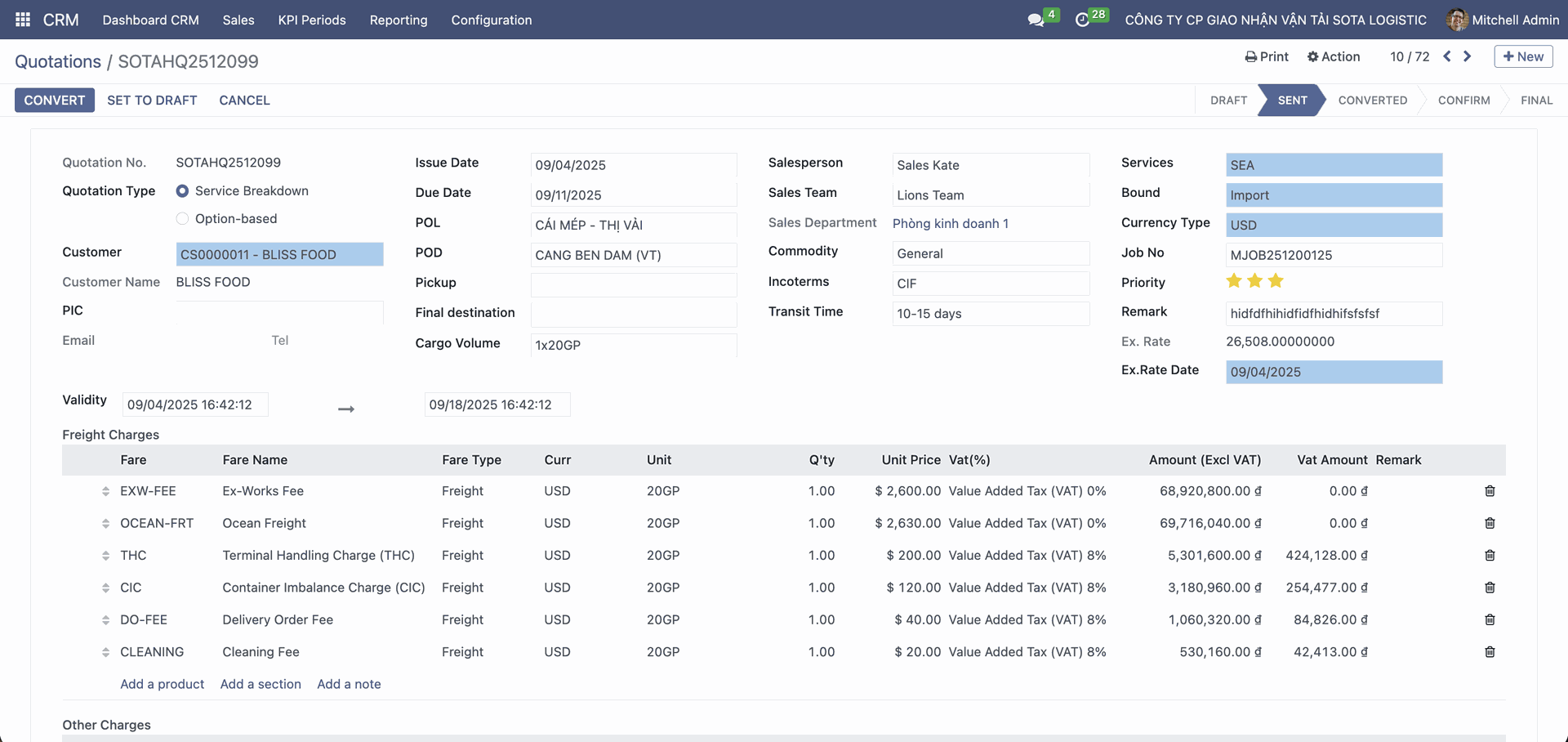
With integrated quotation tools, businesses can rapidly generate and dispatch quotes using standardized, corporate-branded templates. The system supports flexible file exports, ensuring professionalism and consistency in every client interaction. Users can modify content and layouts on a single interface, reducing manual errors, accelerating response times, and elevating the customer experience during the logistics consulting phase.
Email marketing
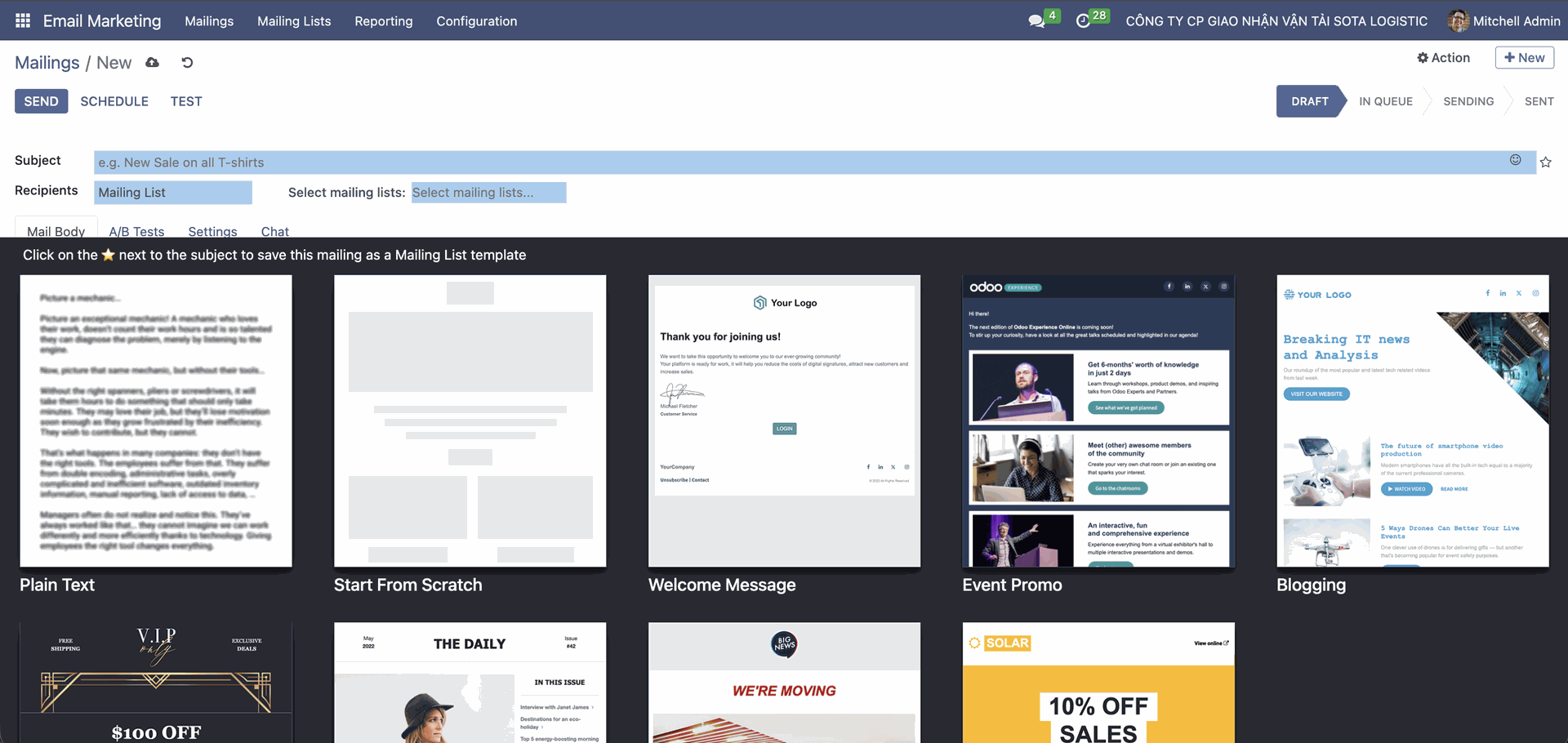
The CRM features built-in email marketing capabilities, allowing businesses to segment audiences, design content, and deliver targeted messaging. This serves as a powerful tool for nurturing existing clients, introducing new logistics services, or launching promotional campaigns. By leveraging CRM data for email marketing, firms can increase engagement rates, personalize content, and maintain long-term customer loyalty more effectively.
Reporting & data analytics
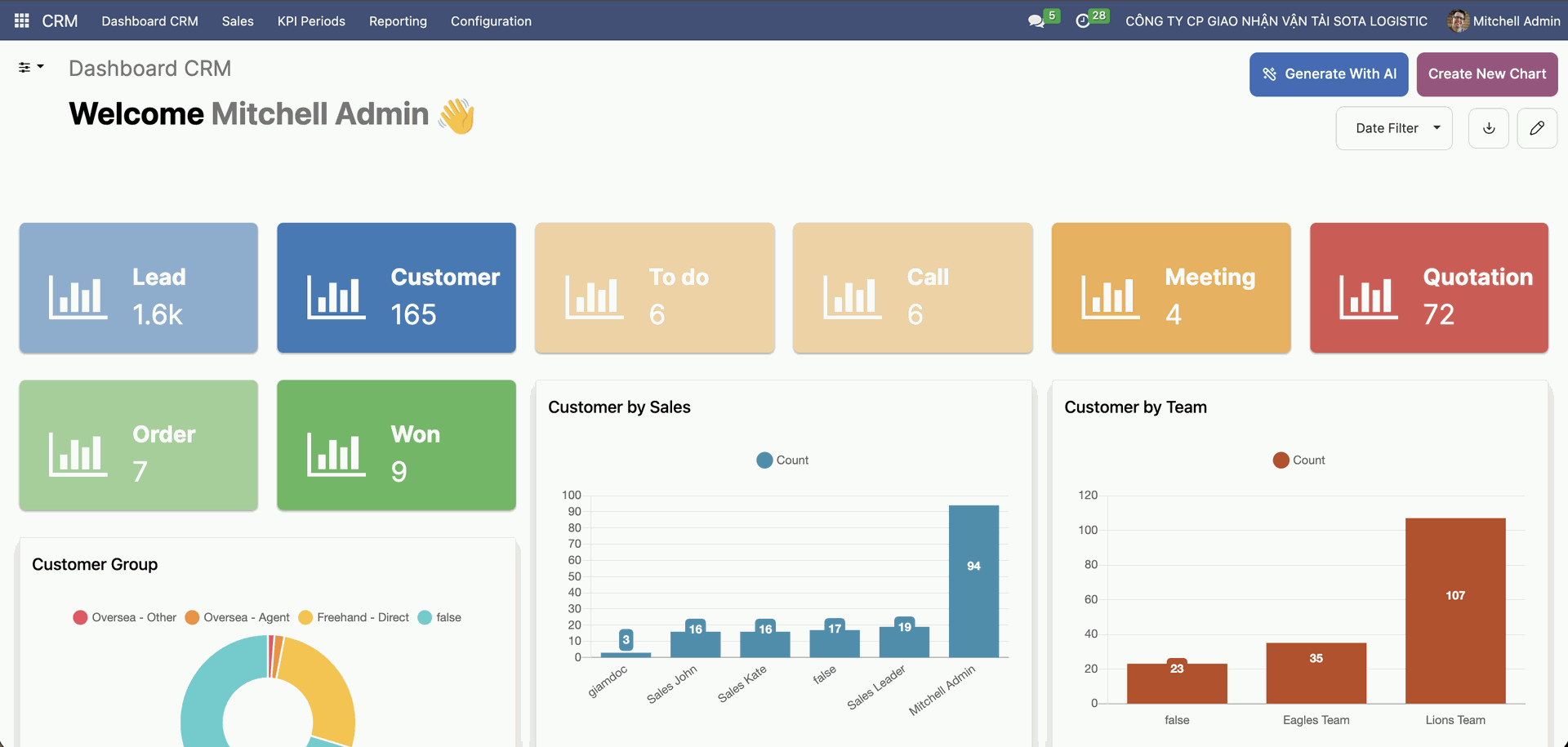
Sota CRMlog provides a flexible reporting and analytics engine, enabling enterprises to create custom reports tailored to specific management needs without being restricted by fixed templates. Data from various departments is aggregated, filtered, and analyzed on a unified platform. This empowers logistics leaders to make faster, data-driven decisions based on real-time customer insights and business performance.
6.2 Strategic benefits of implementing logistics CRM
Adopting specialized CRM software delivers tangible advantages for both customer management and general operations:
- AI-CRM integration: Boosts management efficiency and improves the average ROI for the enterprise.
- 50% reduction in processing time: Automates repetitive tasks within the sales and customer service cycles.
- Intelligent automation: Minimizes manual entry through automated emails and smart workflows.
- Multi-device support: Empowers sales teams to access the CRM system anytime, anywhere.
Read more: Elevate customer experience with the AI chatbot
7. Conclusion
Customer management in the logistics industry does more than just streamline data control; it serves as the bedrock for enhancing service quality and fostering long-term client relationships. When customer data is centralized and integrated across the organization, businesses can achieve faster response times, minimize operational errors, and significantly elevate the overall customer experience.
Specifically, implementing a logistics-dedicated CRM enables enterprises to standardize client management workflows, optimize commercial operations, and build a sustainable competitive advantage. This is a practical solution that empowers logistics providers to adapt swiftly to market shifts and maintain steady long-term growth. Contact us to receive complimentary documentation and a live demo of our specialized logistics CRM software for professional customer management.