The freight and logistics industry is facing immense pressure from rising operational costs, the demand for high-speed, accurate delivery, and increasingly stringent customer expectations. Traditional management methods heavily reliant on manual processes and individual experience are no longer capable of meeting requirements for speed, transparency, and scalability.
Against this backdrop, modern Transportation Management Systems (TMS) are becoming strategic tools that enable businesses to digitalize their entire operational workflow—from load planning and real-time tracking to freight auditing and performance analytics. So, what is the optimal transportation management solution for the logistics sector, and how should businesses choose one to maximize effectiveness? This article will provide the clarity you need.
1. The current logistics landscape

The logistics industry is entering an era of unprecedented competition, characterized by escalating costs, surging workloads, and rising customer expectations. Những shift này đang buộc các doanh nghiệp logistics phải đánh giá lại (re-evaluate) các mô hình quản lý và vận hành truyền thống.
Mounting pressure from transportation costs
Fluctuating fuel prices, constant adjustments in ocean freight surcharges, and rising labor and operational expenses are squeezing profit margins. Without robust tools for cost control at the shipment or voyage level, many firms struggle to identify profitable routes versus those causing revenue leakage.
High order volumes with diversified routes and partners
Enterprises are not only processing higher volumes but also managing a complex network of domestic and international routes, multiple carriers, agents, and diverse partners. As operational complexity scales, manual or fragmented management methods can no longer meet the requirements for speed and accuracy.
Demands for transparency and real-time racking
Today’s customers look beyond freight rates; they demand end-to-end visibility, real-time status updates, and transparent, periodic financial reporting. Companies that fail to provide this level of transparency risk losing their competitive edge and face challenges in long-term customer retention. .
2. Common challenges in traditional transportation management

Despite the increasing volume of shipments, many logistics providers still rely on fragmented management practices, such as Excel spreadsheets or manual workflows, rather than a centralized management system. This lack of integration leads to inefficiencies that directly impact business performance, cash flow, and scalability. Consequently, a Transportation Management System (TMS) has become an essential tool for modern logistics operations.
Lack of cost and profitability control per shipment
Transportation costs, surcharges, incidental expenses, and revenue are often scattered across various departments without being consolidated by trip, shipment, or customer. Businesses can only determine profit and loss (P&L) during end-of-period reconciliations. This delay makes it difficult to evaluate route efficiency and hinders timely strategic adjustments.
Cash flow strain due to advance payments and extended credit terms
Logistics companies often have to provide upfront payments to shipping lines, trucking companies, or partners, while customers operate on extended credit terms. Manual accounts receivable (A/R) tracking and a lack of automated alerts result in slow payment cycles, creating financial pressure and increasing the risk of bad debt.
Lack of visibility and real-time shipment tracking
Tracking shipment status often relies on phone calls, emails, or manual reports from drivers and partners. Delayed and asynchronous information makes it difficult for managers to gain real-time visibility into cargo location, potential delays, or transit incidents.
Delayed reporting and data scarcity for decision-making
Reports regarding costs, fleet performance, route optimization, and customer metrics are typically only compiled at the end of the month or quarter. This data lag deprives leadership of the real-time insights needed to pivot strategies effectively.
Suboptimal customer service quality
Due to a lack of real-time updates, businesses struggle to provide immediate responses to customer inquiries regarding order status, delivery schedules, or pricing. This diminishes the customer experience and undermines brand reputation.
3. Criteria for an optimal transportation management solution
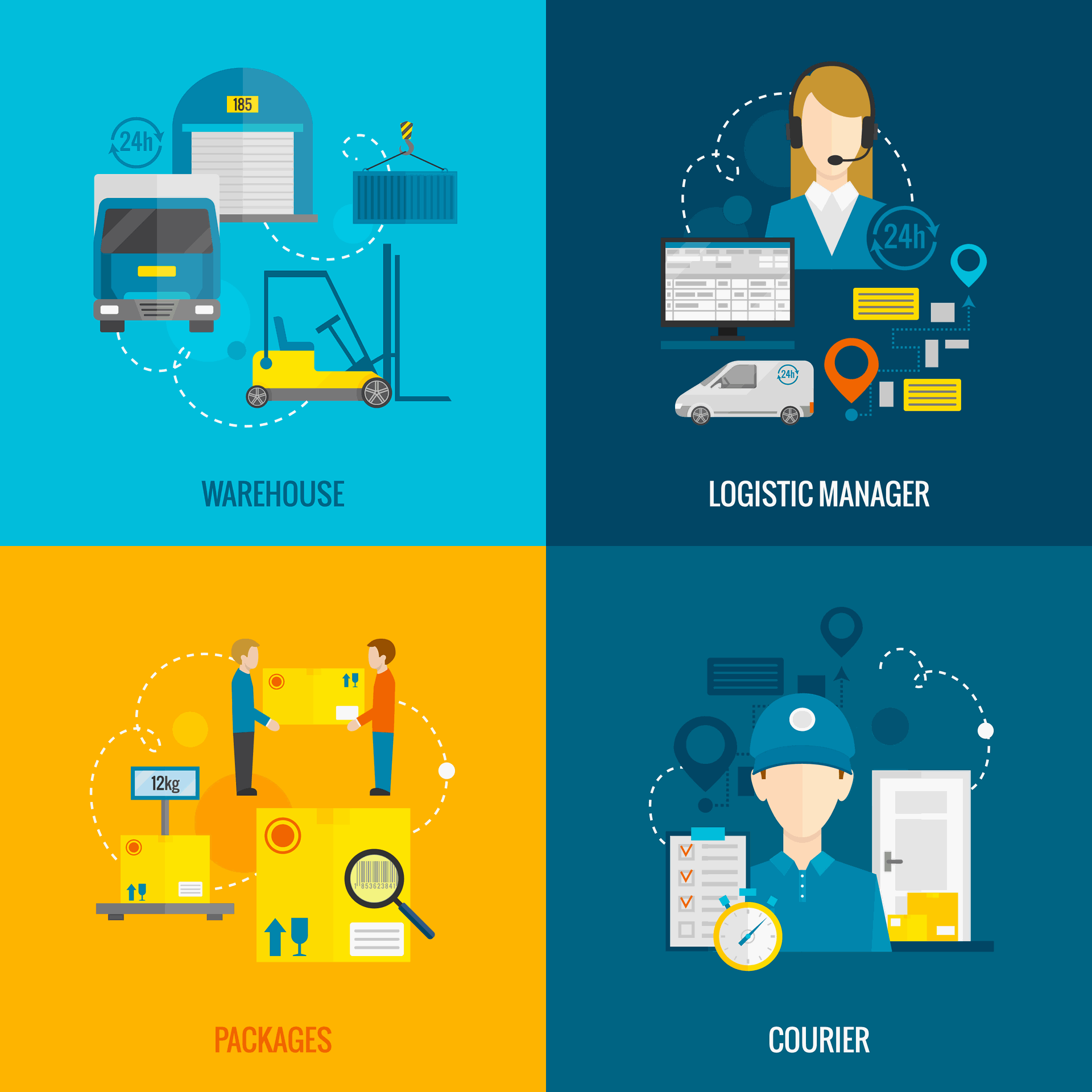
In the context of fluctuating freight costs and increasing demands for speed and transparency, an effective Transportation Management System (TMS) does more than just control operations, it establishes a foundation for sustainable growth. An optimal TMS must satisfy the following criteria:
Centralized management of end-to-end operations
The system must facilitate seamless management across a single platform, from shipment creation and vehicle dispatching to track-and-trace and proof of delivery (POD). Centralizing data eliminates information silos and enhances visibility.
Trip-level cost and profitability control
The solution should aggregate all freight charges, surcharges, incidental costs, and revenue per trip, shipment, or customer. This enables businesses to accurately evaluate operational efficiency and real-time profitability.
Transparent shipment tracking and status updates
An optimal TMS must support real-time or near-real-time visibility, allowing managers and customers to monitor progress. This minimizes delays and enables proactive exception management.
Efficient accounts receivable (AR), accounts payable (AP), and cash flow management
The system needs to track payables and receivables, provide payment alerts, and reconcile shipping data with invoicing. This empowers businesses to proactively manage cash flow and mitigate financial risks.
Process automation and standardization
An effective management solution should minimize manual tasks to reduce human error and dependency on specific individuals. Standardized workflows ensure operational stability, even during rapid scaling.
Advanced reporting and data analytics
A TMS must provide intuitive dashboards regarding costs, fleet performance, route efficiency, and partner metrics. Data-driven insights serve as a critical foundation for strategic decision-making and optimization.
Scalability and integration capabilities
The system must be easily scalable as shipment volumes grow and capable of integrating with other enterprise systems such as ERP, Accounting, WMS, or third-party platforms to ensure a synchronized operational ecosystem.
4. Benefits of implementing modern transportation management solutions
Accurate profit and cost control: The solution enables detailed tracking of costs per trip, customer, and carrier. This allows enterprises to determine precise profit margins, promptly detect cost inefficiencies, and optimize pricing structures.
Improved cash flow and reduced financial risks: Automating reconciliation, payment, and accounts receivable management processes shortens cash cycles, minimizes manual errors, and mitigates operational financial risks.
Enhanced operational efficiency and reduced labor dependency: The system supports the automation of core tasks such as transport planning, booking processing, status tracking, and reporting. This reduces staff workload, increases productivity, and ensures operational consistency.
Elevated customer experience and competitive advantage: The ability to provide rapid, transparent, and accurate information updates enhances customer satisfaction while building a sustainable competitive edge in an increasingly demanding logistics market.
5. Conclusion
Implementing modern transportation management solutions not only helps businesses optimize costs and control finances effectively but also strengthens operational capacity, improves customer experience, and bolsters long-term competitiveness. This is a strategic move that enables logistics providers to adapt quickly to digitalization trends and achieve sustainable growth. Contact us to stay updated on the latest digital transformation news.