In the logistics industry, processing documents such as booking confirmations, Bills of Lading (B/L), commercial invoices, and packing lists is a cornerstone of daily operations. However, as document volumes surge, manual data entry from PDFs, images, or scanned files becomes a significant bottleneck—not only consuming valuable time but also increasing the risk of costly errors.
To tackle these challenges, forward-thinking enterprises are adopting AI OCR (Artificial Intelligence – Optical Character Recognition) to automate document recognition and information extraction. This technology enables systems to "read" and convert text from images or scans into structured digital data, ready for seamless management within the software.
In Sota FMS, AI OCR is deeply integrated to help logistics providers rapidly process bookings from a diverse range of carriers. The system automatically analyzes documents, identifies key data points, and populates them directly into the corresponding fields within the management system.
This article provides a comprehensive guide on using AI OCR within Sota FMS, helping your business optimize data entry workflows, reduce manual overhead, and elevate document management standards in your logistics operations.
1. Introduction to AI OCR

In the era of digital transformation, logistics companies must handle a massive volume of documents, including booking confirmations, bills of lading (B/L), commercial invoices, and packing lists. Manual data entry from these documents is not only time-consuming but also highly susceptible to human error. Consequently, AI OCR (Artificial Intelligence – Optical Character Recognition) technology has emerged as a critical solution to help businesses automate their document processing workflows.
AI OCR is a technology that enables computers to recognize optical characters and convert text from documents such as PDFs, images, or scanned files into editable, searchable, and storable digital data. By combining Artificial Intelligence (AI) with advanced image recognition, the system can extract content from various document types with high precision.
In the logistics industry, AI OCR is particularly effective at processing complex documents like carrier booking files, shipping documents, and supplier invoices. Instead of manually entering data line by line, the OCR system automatically analyzes the document, extracts key information, and integrates it directly into the Sota FMS management system.
The AI OCR technology within Sota FMS offers several standout benefits for businesses:
- Automated Data Extraction: The system can read and analyze booking files from various carriers, automatically extracting all necessary data points.
- Key Information Recognition: AI OCR accurately identifies vital information such as booking numbers, vessel names, schedules, POL/POD (ports of loading and discharge), and other relevant data.
- Instant Data Synchronization: Once processed, information is automatically synced across operational modules within Sota FMS, streamlining the entire workflow.
- Multi-format Document Processing: AI OCR can handle a wide range of document templates, including scanned files or lower-quality documents.
By automating data entry and document management, AI OCR not only helps logistics companies save time and reduce operational costs but also significantly improves data accuracy. This is considered a cornerstone technology for businesses looking to optimize operations and accelerate digital transformation in the logistics sector.
2. Key Benefits of Implementing AI OCR
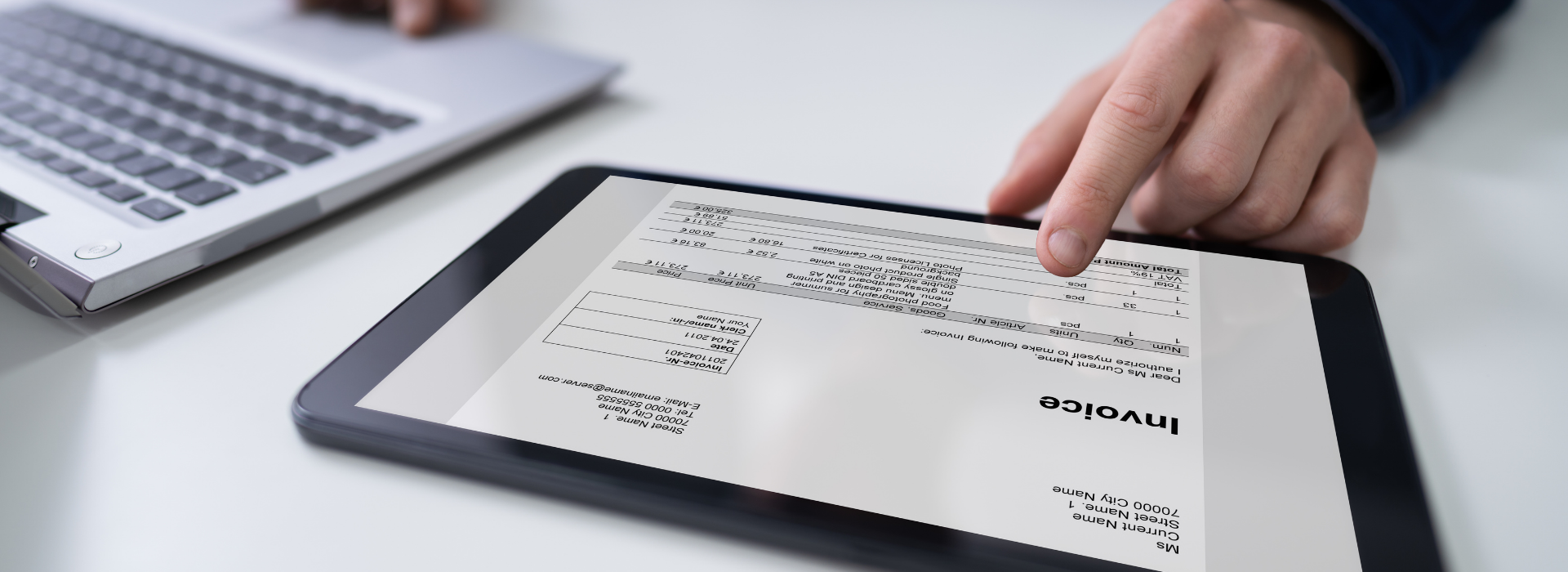
The integration of AI OCR into the Sota FMS ecosystem delivers tangible advantages for logistics enterprises, particularly in managing the high volume of shipping documents generated daily. This technology automates data entry workflows, optimizes operational performance, and enhances data integrity.
Automated Data Entry Workflow: In traditional logistics operations, staff must manually input data from booking notes, Bills of Lading (B/L), commercial invoices, and packing lists into management systems. With AI OCR, the system automatically recognizes and extracts information from these documents, populating the relevant data fields within Sota FMS. This significantly reduces manual workloads and accelerates document processing speeds.
Time and Operational Cost Savings: By automating document processing, businesses can shorten data entry cycles and reduce the headcount required for repetitive tasks. This not only cuts operational overhead but also empowers employees to focus on high-value activities such as operations management and customer service.
Enhanced Data Accuracy: Manual data entry is inherently prone to human error, especially when handling massive document volumes. AI OCR minimizes these risks by automatically identifying and extracting information directly from source files, ensuring that the data within the system remains accurate and consistent.
Centralized Data Management and Seamless Retrieval: Once extracted, information is stored and managed centrally within Sota FMS. Businesses can effortlessly search, retrieve, or link data across other modules, including accounting, order management, transport management, and document control.
Versatile Document Format Support: The AI OCR engine in Sota FMS is capable of processing a wide array of document types and formats, such as PDFs, images (JPG, PNG), and scanned files. The system also recognizes various booking templates from different shipping lines and logistics partners, providing greater flexibility in document handling.
Driving Digital Transformation in Logistics: Integrating AI OCR into Sota FMS enables businesses to automate document workflows and digitize data, laying the foundation for a modern logistics management framework. This is a critical step in improving operational efficiency and strengthening market competitiveness.
Through these benefits, AI OCR within the Sota FMS ecosystem is proving to be an essential solution for logistics companies looking to optimize document processing, reduce costs, and elevate the standard of data management.
3. AI OCR User Guide (Standard Workflow)
In the logistics industry, documents such as bookings, invoices, bills of lading, and purchase orders are commonly transmitted as PDFs, photos, or scans. Manual data entry from these documents is not only time-consuming but also highly prone to errors.
AI OCR technology automates text recognition and integrates data directly into management systems. Below is the standard workflow for processing booking files using AI OCR within the Sota FMS ecosystem.
Step 1: Upload Documents Users begin by uploading the required documents to Sota FMS. The system supports various common formats, including:
- JPG / PNG
- Scanned documents
Example: Users can upload shipping line bookings or vendor invoices for the system to process.
Step 2: AI OCR Recognition and Processing Once uploaded, the AI OCR engine automatically analyzes the file content. This process includes:
- Analyzing images or PDF files.
- Recognizing characters and text within the document.
- Extracting essential information from the content.
Powered by AI, the system accurately interprets and converts document content into structured digital data.
Step 3: Automated Data Entry Following text recognition, data is automatically populated into the corresponding fields within Sota FMS. Key data points such as Booking Numbers, Customer Names, Shipment Details, and Document Dates are captured instantly. This significantly reduces manual entry time and minimizes human error.
Step 4: Data Storage and Management Once confirmed, the data is stored directly within Sota FMS. This information can be seamlessly linked to other modules, such as:
- Accounting
- Procurement
- Document Management
- Transportation Management
By leveraging this automated workflow, businesses can achieve centralized data management and optimize their overall logistics operations.
4. Conclusion
The integration of AI OCR into the Sota FMS ecosystem offers significant advantages for logistics enterprises, particularly in automating document processing and data entry workflows. Instead of manually inputting data from documents such as booking notes, bills of lading, or invoices, businesses can leverage AI OCR to recognize, extract, and synchronize data directly into their management system.
As a result, companies not only save time and reduce operational costs but also enhance data accuracy and optimize overall workflows. Furthermore, centralized document digitalization within Sota FMS facilitates seamless retrieval, management, and data integration across other system modules. Contact us for a detailed consultation on our specialized logistics operations management system and to discover how AI OCR can transform your business.