In the course of running a business, costs are a primary factor directly impacting profitability and overall performance. However, many organizations still struggle to control expenditures due to fragmented data, a lack of clear management processes, or the absence of proper tracking tools. These hurdles often lead to unplanned expenses, difficulties in assessing budget efficiency, and ultimately, a squeeze on profit margins.
Effective cost management is not merely about cutting spending; it is about building a scientific system for tracking, analyzing, and optimizing costs. When a business gains a deep understanding of its cost structures, establishes realistic budgets, and leverages the right management tools, financial control becomes more transparent and efficient.
In this article, we will explore common types of business costs, the typical challenges in cost management, and the high-impact solutions to help your business take control of its finances.
1. Key types of corporate expenses
To manage costs effectively, businesses must have a deep understanding of the various expenses incurred through their operations. Categorizing costs allows for better budget tracking, disciplined spending control, and data-driven financial decision-making.
In practice, corporate expenses are typically divided into three primary categories: Fixed Costs, Variable Costs, and Operating Costs. Each category possesses unique characteristics and requires a tailored management approach.

Fixed Costs
Fixed costs are expenses that remain constant regardless of a company's level of activity. Whether sales are surging or slowing down, these obligations must be settled periodically.
Common examples of fixed costs include:
- Office or factory rent
- Base salaries for employees
- Depreciation of machinery and equipment
- Software subscriptions and IT infrastructure
- Insurance premiums and other recurring fees
The defining trait of fixed costs is their stability and predictability, allowing businesses to plan budgets well in advance. However, if fixed costs are too high relative to revenue, they can put significant pressure on cash flow.
Therefore, optimizing fixed costs—such as adopting flexible work models, downsizing office space, or leveraging the right technology solutions—can help reduce long-term financial burdens.
Variable Costs
Unlike fixed costs, variable costs fluctuate in direct proportion to a company’s production volume or business activity. As operations scale up, these expenses increase accordingly.
Examples of variable costs include:
- Raw materials for production
- Packaging and shipping fees
- Sales commissions
- Campaign-based advertising and marketing spend
- Order-specific production costs
Because variable costs are directly tied to the creation of goods or services, controlling them is a primary lever for boosting profit margins.
To optimize these costs, businesses can:
- Streamline the supply chain to reduce material costs.
- Negotiate better terms with suppliers.
- Audit marketing campaigns to eliminate inefficient ad spend.
Regularly tracking variable costs enables businesses to evaluate the profitability of specific products or individual projects.
Operating Costs (OPEX)
Operating costs represent the expenses incurred during the day-to-day maintenance of a business. This is a broad category encompassing administration, sales, and general operational support.
Common operating costs include:
- General and administrative (G&A) expenses
- Selling and distribution costs
- Logistics and transportation
- Customer service expenses
- Utilities (electricity, water, internet, etc.)
If left unchecked, operating costs can spiral quickly as a business scales. Consequently, many modern enterprises utilize management tools such as ERP systems or financial management software to track spending by department, project, or product line.
This granular visibility allows leadership to identify inefficiencies and make informed budgetary adjustments.
Identifying and categorizing these expenses is the critical first step toward building a robust cost-management strategy. However, in reality, many organizations still struggle with cost control due to fragmented data or the lack of an integrated management system.
2. Common challenges in cost management
While cost control plays a pivotal role in a company’s financial health, many businesses still struggle with effective execution. These challenges typically stem from a lack of centralized systems, ambiguous control processes, or delayed financial data updates. Below are the most common hurdles organizations face when managing expenses.
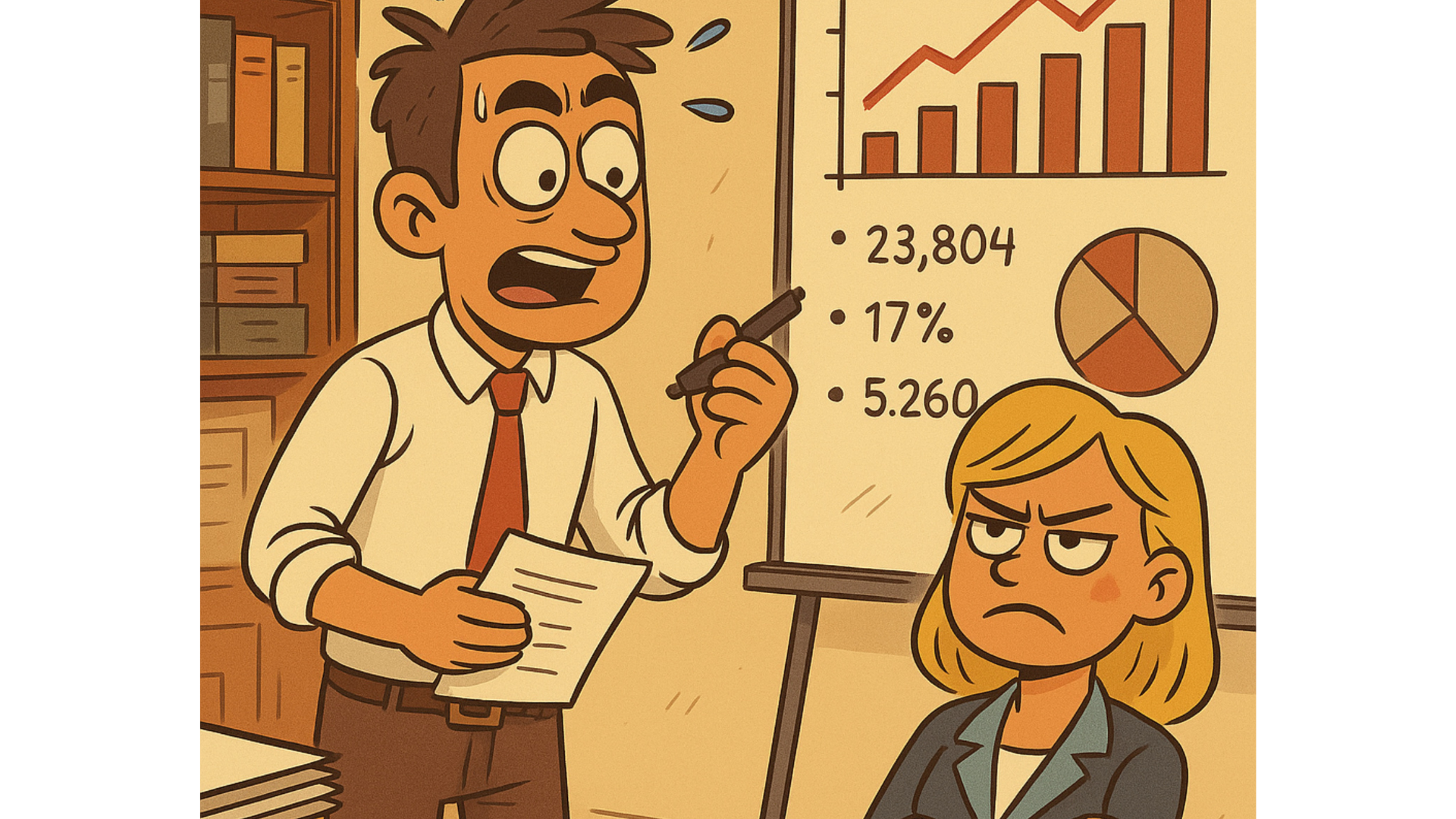
Decentralized and Siloed Cost Data
One of the most significant barriers to effective cost management is fragmented data storage. Many businesses still rely on isolated Excel files or disparate tools across various departments.
For example:
- Accounting: Manages general expenses within the accounting software.
- Marketing: Tracks advertising budgets in separate spreadsheets.
- Operations: Monitors logistics costs on an independent system.
When data is siloed, businesses encounter several critical issues:
- Difficulty in generating comprehensive, high-level financial reports.
- Higher risk of human error during manual data entry.
- Significant time wasted on data reconciliation and verification.
Without a centralized "source of truth," leadership lacks the visibility required to make informed financial decisions.
Difficulty in Departmental Cost Tracking
In many organizations, expenses are recorded as a lump sum rather than being clearly allocated to specific departments or projects. This lack of granularity makes it nearly impossible to evaluate budgetary efficiency.
Key pain points include:
- Inability to identify which department is consuming the largest portion of the budget.
- Difficulty in determining the exact cost of individual projects or products.
- The impossibility of benchmarking spending performance across different teams.
When cost visibility is low, optimizing the budget becomes a guessing game. Consequently, modern enterprises are shifting toward management systems that allow for detailed classification by department, project, or cost center.
Lack of Standardized Cost Control Processes
A recurring issue in business operations is the absence of a structured cost-approval workflow. In many cases, employees may incur expenses without following a specific approval protocol, leading to:
- Budget overruns.
- Unnecessary or redundant expenditures.
- Poor cash flow management.
For instance, without a strict approval hierarchy, costs such as equipment procurement, marketing campaigns, or travel expenses can be executed without proper oversight.
An effective cost control workflow typically follows a structured path:
Employee Proposal → Department Head Approval → Accounting Verification → Executive Confirmation (if necessary).
Implementing a clear, automated process ensures that every dollar spent is intentional and stays within the planned budget.
Delayed Financial Reporting
In today’s fast-paced business environment, data-driven decision-making is paramount. However, many enterprises still struggle to generate accurate financial reports in a timely manner.
Common bottlenecks include:
- Manual data entry: Financial records are still updated by hand.
- Fragmented data sources: Information is scattered across multiple platforms, requiring tedious consolidation.
- Protracted reporting cycles: Internal processes are overly complex and time-consuming.
Consequently, management often receives financial insights long after the fact, leading to delays in strategic adjustments. To overcome this, many companies are leveraging Financial Management Systems or ERP solutions to:
- Automate expense data synchronization.
- Generate real-time financial statements.
- Perform multi-dimensional cost analysis.
By adopting these technologies, businesses can monitor their financial health instantaneously and make more informed, agile decisions.
3. Strategies for Effective Cost Management
Effective cost control goes beyond simply understanding your expenses; it requires a structured and transparent management framework. By consistently tracking costs, analyzing financial data, and utilizing the right management tools, businesses can optimize resource allocation.

Below are some of the most effective strategies for streamlining cost management in daily operations.
Continuous Cost Monitoring
A cornerstone of financial discipline is monitoring expenses continuously rather than waiting until the end of a reporting period. Real-time tracking allows businesses to immediately identify budget overruns or irregular spending patterns.
For example:
- Tracking marketing spend on a per-campaign basis.
- Reviewing operational costs monthly.
- Performing regular "Actual vs. Budget" variance analysis.
Continuous monitoring empowers organizations to proactively adjust their financial plans and prevent spending from spiraling out of control.
Standardizing the Expense Approval Workflow
A well-defined expense approval process enables businesses to monitor spending more effectively. By ensuring every expenditure undergoes rigorous vetting, companies can significantly mitigate the risk of unnecessary overheads.
A typical approval workflow often follows these steps: Employee Proposal → Department Head Review → Accounting Budget Check → Executive Approval.
Standardizing this process empowers businesses to:
- Strengthen budget control: Ensure every cent is accounted for.
- Align spending with financial planning: Maintain consistency with strategic goals.
- Enhance transparency: Create a clear audit trail for all transactions.
Furthermore, many organizations are now leveraging internal management systems to automate these workflows, drastically reducing manual errors and processing time.
Periodic Expense Report Analysis
Analyzing periodic expense reports provides critical insights into capital allocation and ROI (Return on Investment).
Key financial reports commonly utilized include:
- Departmental Expense Reports: Tracking costs by functional area.
- Project-based Cost Reports: Monitoring the financial health of specific initiatives.
- Product/Service Costing: Analyzing expenses per unit or offering.
- Budget vs. Actual (BvA) Reports: Comparing real-time spending against forecasts.
Through these analytics, management can identify budget anomalies, evaluate departmental efficiency, and pinpoint cost-optimization opportunities. Frequent data-driven reviews lead to more precise and timely strategic decisions.
Eliminating Non-Essential Expenditures
Not all expenses generate value. A cornerstone of effective cost management is identifying and pruning "wasteful" spending that does not contribute to the bottom line.
Common examples include:
- Redundant software subscriptions with overlapping features.
- Low-performing marketing campaigns.
- Outdated service contracts or legacy agreements.
The goal isn't just "cutting costs"—it's strategic reallocation. By periodically auditing expenses, businesses can ensure resources are concentrated on high-impact activities that drive growth.
Leveraging Expense Management Software
As businesses scale and financial data grows in complexity, relying on manual methods like Excel becomes a bottleneck.
Modern enterprises are increasingly adopting dedicated financial management software or ERP (Enterprise Resource Planning) systems. These platforms offer:
- Centralized Data: A single source of truth for all financial information.
- Real-time Tracking: Immediate visibility into spending as it happens.
- Automated Approvals: Streamlining workflows to eliminate delays.
- Instant Reporting: Generating accurate financial statements at the click of a button.
By transitioning to digital solutions, companies can manage budgets with greater agility and make financial decisions based on hard data rather than intuition.
4. The role of ERP in cost management
In the context of business scaling, managing costs through manual methods like Excel spreadsheets or fragmented tools can become inefficient. This is where an Enterprise Resource Planning (ERP) system plays a crucial role in helping businesses achieve comprehensive and transparent cost control.
An ERP is an integrated management system that connects data from multiple departments—such as accounting, sales, logistics, procurement, and production—onto one platform. As a result, businesses can monitor costs in a more centralized and accurate manner.

Cost management by department and project
One of the major benefits of ERP is the ability to categorize and track costs based on various criteria, such as: Departments, Projects, Products or Services, and Cost Centers. This allows businesses to easily identify which department is utilizing the most budget and evaluate the spending efficiency of each unit.
Real-time cost tracking
ERP systems enable businesses to update and track financial data in real-time. When a cost is incurred, the data is immediately recorded in the system and linked to relevant departments.
This empowers management to:
- Gain instant insights into the cost situation.
- Compare actual costs against the established budget.
- Early detect any expenditures that exceed the plan.
Consequently, businesses can make timely and accurate financial decisions.
Automating cost control processes
ERP also helps businesses automate approval and cost control workflows. Instead of manual processing, expense requests can be submitted and approved directly on the system.
Example: Employee creates an expense request → Department Head approves → Accounting Department verifies budget → Management confirms.
This automated workflow helps:
- Reduce processing time for expense requests.
- Increase transparency in financial management.
- Mitigate unauthorized expenditures.
Rapid and accurate financial reporting
ERP provides powerful reporting tools that help businesses generate cost and financial reports quickly.
Common reports may include:
- Expense reports by department.
- Cost reports by project.
- Budget vs. Actual (BvA) reports.
- Profitability reports by product or service.
Thanks to these reports, leadership can analyze the company's financial health comprehensively and make more accurate strategic decisions.
5. Sota Solutions: Delivering bespoke ERP systems tailored to your business needs
Sota Solutions provides flexible ERP solutions designed to meet the unique requirements of every industry. Our mission is to help enterprises optimize operations, reduce overhead, and accelerate digital transformation. By leveraging modern technology stacks and AI integration, we build systems that align 100% with your internal workflows from sales and operations to finance and customer relationship management (CRM).
Unlike "one-size-fits-all" software, Sota ERP offers high scalability, allowing businesses to expand features as they grow. This ensures long-term partnership without operational disruptions. With a user-friendly, multi-device interface and advanced process automation, our solution helps reduce manual tasks by up to 60% while significantly enhancing the user experience.
6. Conclusion
Effective cost management is a cornerstone of maintaining profitability and driving sustainable growth. When a business gains a deep understanding of its cost structures, establishes robust control processes, and monitors financial data regularly, budget management becomes both transparent and efficient.
Furthermore, conducting periodic cost analyses and trimming unnecessary expenditures allows organizations to allocate resources more effectively. Rather than focusing solely on "cutting costs," businesses should pivot toward strategic cost management, ensuring that every dollar spent generates tangible value for the company.
In an era where data volumes are surging and operations are becoming increasingly complex, implementing an ERP system is essential. It centralizes financial data, automates workflows, and provides real-time reporting. This empowers leadership to make data-driven decisions regarding budget allocation and cost control. Contact us today for a consultation on the latest digital transformation software to help your business optimize operations and maximize cost efficiency.