The year 2026 will mark a significant turning point in the digital transformation journey for businesses. With operating costs on the rise, increasing customer expectations, and tightening standards for ESG (Environmental, Social, and Governance) and data security, companies can no longer rely on fragmented systems or manual management tools. This is precisely the moment when ERP (Enterprise Resource Planning) becomes a strategic foundation, not only helping businesses control their operations but also creating a sustainable competitive advantage for the next 5–10 years.
The new generation of ERP is more than just management software. Thanks to the integration of AI, data analytics, IoT, process automation, and flexible scalability, ERP is becoming the "operational brain" of the organization. From managing finance, warehousing, human resources, CRM, to the supply chain—every process is connected on a single system, enabling businesses to make faster decisions, mitigate risks, and optimize overall efficiency.
In this article, we will analyze the 6 most compelling reasons why businesses should prioritize ERP investment in 2026 if they aim to achieve breakthroughs in the digital era.
1. Cloud, AI, and Deep Integration – Competitive advantages for businesses
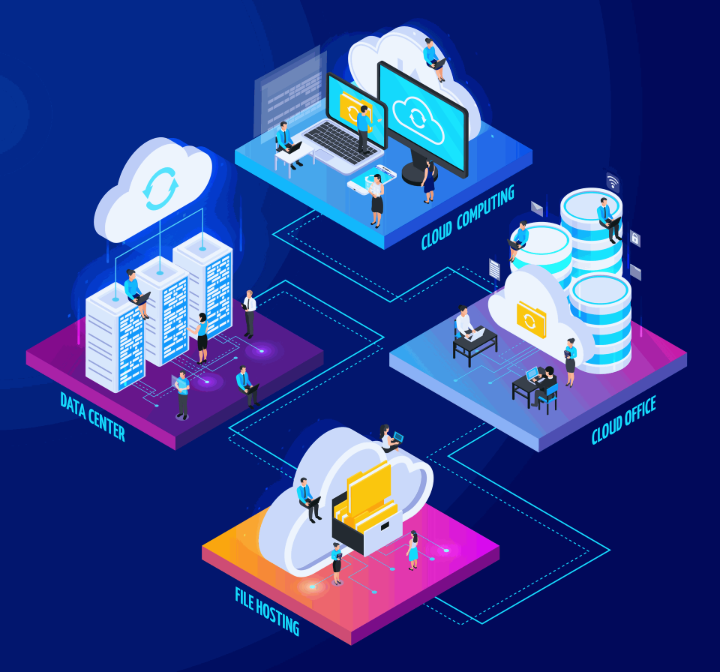
New-generation ERP platforms do not merely digitize processes; they become the operational brain of the enterprise through three strategic pillars: Cloud, AI, and End-to-End Integration.
- Operating on the Cloud offers businesses unprecedented flexibility. Cloud ERP enables anytime, anywhere access, fast processing speed, and virtually unlimited scalability. This is especially crucial in the context of businesses constantly expanding markets, increasing branches, or managing remote teams.
- Automation through AI reduces errors and increases immediate efficiency. AI is integrated into various processes such as approvals, accounting, inventory management, and customer relationship management, helping to eliminate manual processing, reduce the burden on personnel, and provide intelligent suggestions based on real-world data.
- Deep integration capability creates a unified operational ecosystem. Modern ERP can connect directly with CRM, HRM, accounting systems, logistics, e-commerce, payment gateways, IoT, and more. As a result, all data from different departments is consolidated onto a single platform.
Thanks to this, businesses can connect departmental data seamlessly, optimize profitability across units, simplify processes, and increase data processing speed, making ERP 2026 a strategic platform that not only manages but also coordinates the entire business operation.
2. Real-Time decision making
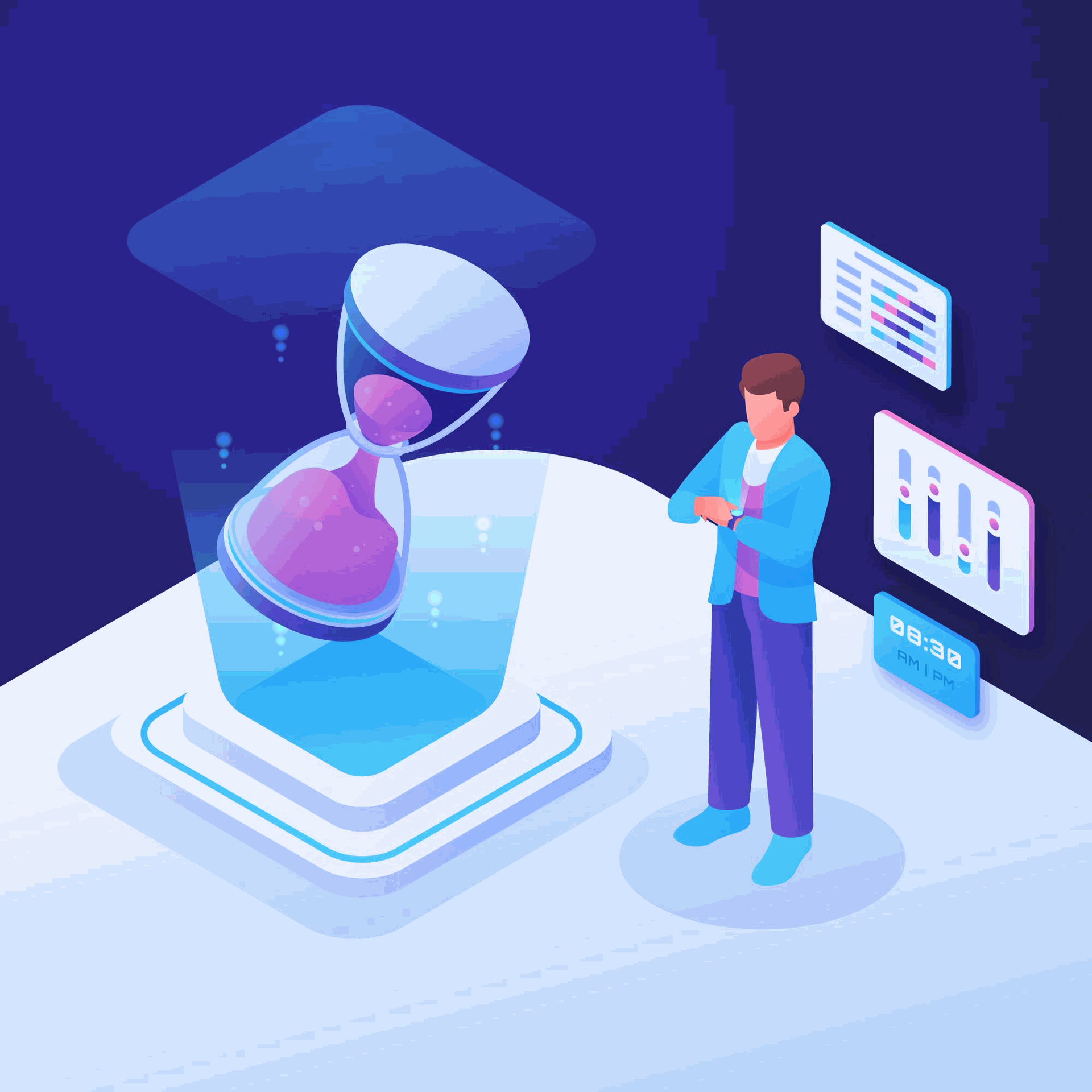
One of the biggest changes in ERP 2026 is the ability to create a “single source of truth”—a unified, instantaneous, and completely accurate data source. This completely overcomes the issue of delayed, inconsistent, or scattered reporting across multiple different systems.
Cloud-based ERP allows the CEO to monitor every critical metric in just a few seconds, including:
- Financial Status: Cash flow, accounts payable/receivable, and profit measured daily—or even hourly.
- Supply Chain: Inventory levels, orders, shipping status, and logistics bottlenecks.
- Production Operations: Line productivity, actual costs, order progress, and delay warnings.
- Human Resources: Team productivity, time and attendance status, resource allocation, and job performance.
This data is instantly displayed on a dashboard, allowing leaders to:
- See a problem the moment it appears
- Make decisions in minutes instead of weeks
- Build strategies based on reality rather than speculation
- Strategically coordinate resources
From this foundation, businesses not only operate better but also accelerate their competitive edge, anticipate opportunities, and minimize the impact of economic fluctuations.
3. AI & Machine learning become the ore of ERP 2026
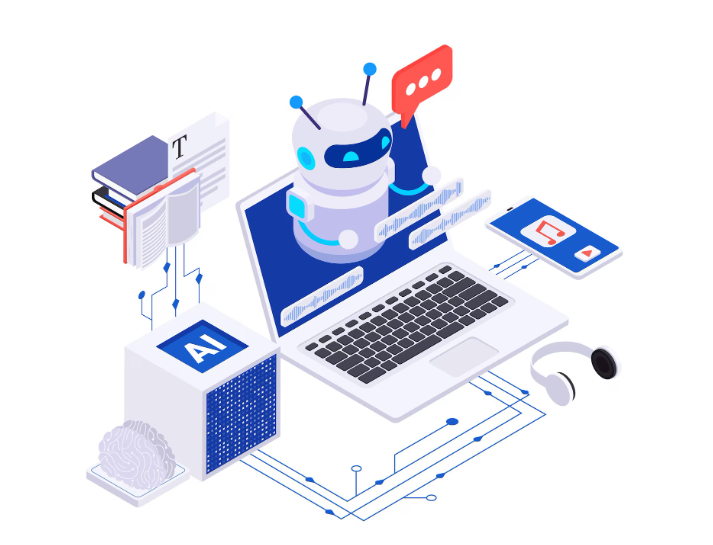
In 2026, AI and Machine Learning (ML) will no longer be supplementary features but will become the central core of next-generation ERP systems. Deep integration of AI into every process allows businesses to achieve unprecedented levels of automation and predictive capability:
- Market Demand Forecasting: AI analyzes sales data, consumer trends, seasonality, and market fluctuations to predict future demand with high accuracy. This helps businesses optimize procurement, production, and inventory planning to avoid surplus or shortage.
- Stock-out Alerts and Inventory Optimization: The system automatically detects items at risk of running out in the near future, sets warning thresholds, and suggests the necessary reorder quantity. As a result, businesses can avoid "stock-out" situations during peak periods.
- Financial Risk Detection: Machine Learning helps analyze unusual transactions and detect discrepancies in cash flow, costs, or invoices. These early warnings enable businesses to mitigate risks before they cause severe consequences.
- Automated Strategic Decision Suggestion: Based on operational data, the ERP can provide intelligent recommendations such as optimizing production schedules, adjusting selling prices, allocating personnel, or prioritizing key customers.
The combination of AI and ERP helps businesses shift from a passive to a proactive state, anticipating problems before they occur rather than merely reacting when incidents have already arisen. This is a pivotal factor helping businesses accelerate in the Industry 5.0 era.
4. ERP Cloud native – Elevated Flexibility and Scalability
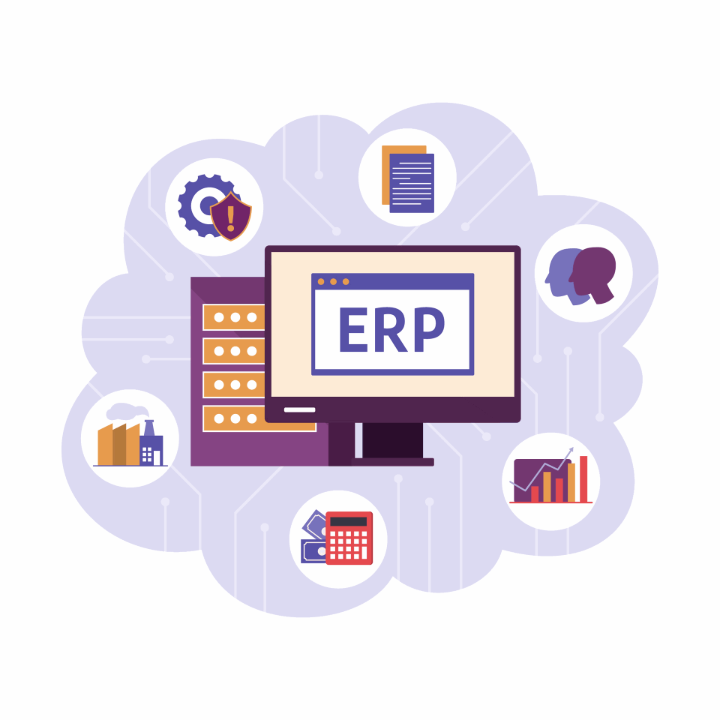
The shift from on-premise ERP to cloud-native ERP is one of the strongest trends of 2026. These systems offer businesses numerous outstanding advantages:
- Fast Processing Speed: With a cloud architecture, data is accessed and synchronized in real-time, allowing the business to operate smoothly even with thousands of concurrent sessions.
- Limitless Scalability: Businesses can add users, branches, warehouses, or modules in just a few minutes without complex system structure changes. Cloud ERP flexibly grows with the scale of the business.
- High Adaptability to Change: When business strategies change, cloud-native ERP can adjust quickly thanks to instant updates and easy integration with other applications.
Simultaneously, Customized ERP is becoming a dominant trend. Businesses no longer have to use a rigid system but can choose exactly the right modules for their industry, integrate specific features, and upgrade or expand without affecting the core system. This makes ERP flexible, highly adaptable, and suitable for every business model.
Furthermore, Cloud ERP significantly reduces the Total Cost of Ownership (TCO). Consequently, cloud-native ERP is not only powerful but also substantially more cost-effective than the traditional model.
5. Enhance risk resilience & meet ESG compliance
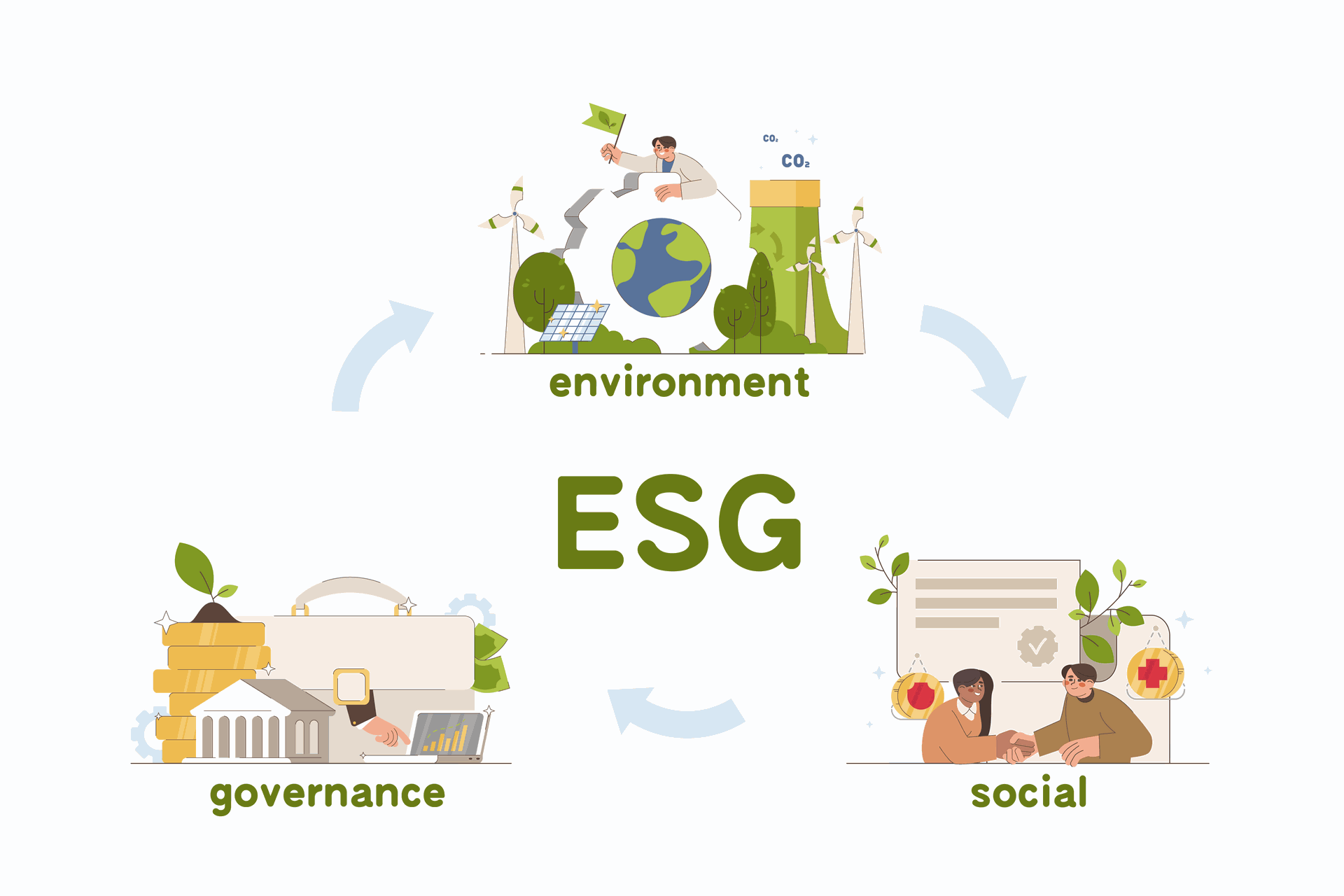
Entering 2026, the ERP system will no longer just play a role in optimizing operations, but will also become a strategic tool to help businesses enhance resilience, ensure compliance, and meet global ESG standards.
Building an autonomous supply hain
Thanks to the combination of IoT – real-time sensors and AI – predictive intelligence, ERP 2026 can immediately identify disruptions in the supply chain, optimize routes, delivery times, and inventory allocation. This helps businesses maintain business continuity even when the market faces fluctuations such as natural disasters, logistics bottlenecks, or supply chain disruptions.
Comprehensive risk & compliance management
New-generation ERP deeply integrates risk monitoring and control mechanisms: automatic audit trails, real-time compliance monitoring, and strong security mechanisms. As a result, businesses not only reduce the risk of errors and fraud but also quickly handle any incidents before they cause serious impact.
Transparent & standardized ESG reporting
ESG (Environmental – Social – Governance) is a mandatory requirement for businesses in the era of sustainable development. ERP 2026 integrates specialized ESG modules to help:
- Track carbon emissions across the supply chain or per production activity.
- Measure the efficiency of energy, water, fuel, and other resources.
- Record and report social and governance metrics such as occupational safety, workforce diversity, and internal compliance.
Thanks to its ability to collect and present data transparently, businesses can easily standardize according to international requirements, while strengthening brand reputation with customers, investors, and global partners.
6. Increase strategic value & workforce productivity
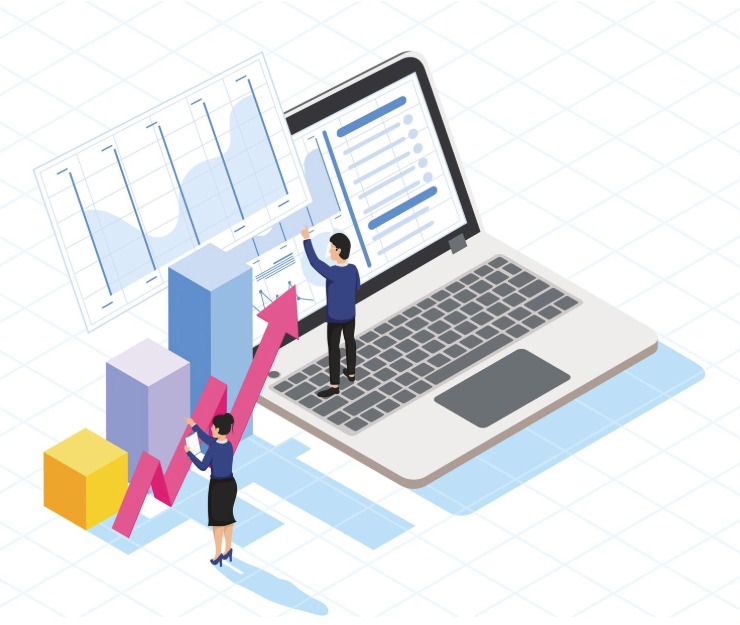
ERP 2026 no longer stops at the role of a traditional management system. It is a platform that creates strategic value, directly impacting business performance, customer experience, and labor productivity.
Combining ERP + CRM to create a 360° view of the business
When ERP (managing operations – finance – production) is combined with CRM (managing customers – sales – marketing), businesses gain a unified system that helps to:
- Clearly understand customer behavior and needs.
- Optimize customer care processes.
- Link revenue with real-time costs and profits, thereby improving the customer experience across the entire journey.
Mobile-first ERP – Optimizing remote and field teams
The hybrid work model and field operations are increasingly popular. ERP 2026 is designed with a Mobile-first mindset, supporting:
- Access to data and dashboards on any device.
- Data entry, approval, inventory checking, and order processing anywhere.
- Ensuring uninterrupted operations when personnel are traveling or working remotely.
This significantly increases the productivity and flexibility of the workforce.
Increase productivity – Enhance customer experience and drive nnovation
A unified ERP system helps reduce repetitive tasks for employees, automate complex processes, and shorten order processing time. Businesses not only operate more efficiently but also become more agile in the face of market changes.
7. Sota Solutions - the provider of custom-built ERP systems tailored to enterprise needs
Sota Solutions delivers flexible ERP solutions designed according to the specific characteristics of each industry, helping businesses optimize operations, cut costs, and accelerate digital transformation. With a modern technology platform and AI integration capabilities, we build a system that is 100% compatible with your internal processes—from sales management, operations, and finance to customer care.
Unlike "off-the-shelf" ERP systems, Sota ERP allows businesses to expand features according to each stage of development, ensuring long-term partnership and no operational disruption. The user-friendly, multi-device interface, along with process automation capabilities, helps reduce manual operations by up to 60% and enhances user experience.
8. Conclusion
By 2026, ERP will no longer be an option but a mandatory platform if businesses want to increase efficiency, reduce risk, and meet the new ESG requirements. Early investment in ERP helps businesses operate more leanly, make decisions faster, and create a sustainable competitive advantage in the upcoming period of strong digital transformation. Contact us for more information.