In the context of a booming digital economy, Digital Transformation has become an inevitable trend for enterprises seeking to maintain competitiveness and achieve sustainable development. Shifts in consumer behavior, the rapid pace of technological advancement, and the pressure to optimize operating costs are forcing businesses to move away from traditional management and operational methods. Instead of relying on manual processes or fragmented systems, companies must adopt technological platforms to automate workflows, connect data, and enhance management efficiency.
Digital transformation is not merely about using new software or technology; it is the process of restructuring an entire business operating model based on data and digital technology. By implementing digital transformation, enterprises can optimize workflows, improve data analysis capabilities, and make faster, more accurate decisions. With the ability to integrate data from various departments, such as sales, accounting, logistics, production, ERP helps businesses standardize processes and improve management transparency. Consequently, leadership can monitor operations in real-time, leading to quicker and more precise decision-making.
1. What is ERP? The role of ERP in modern enterprises
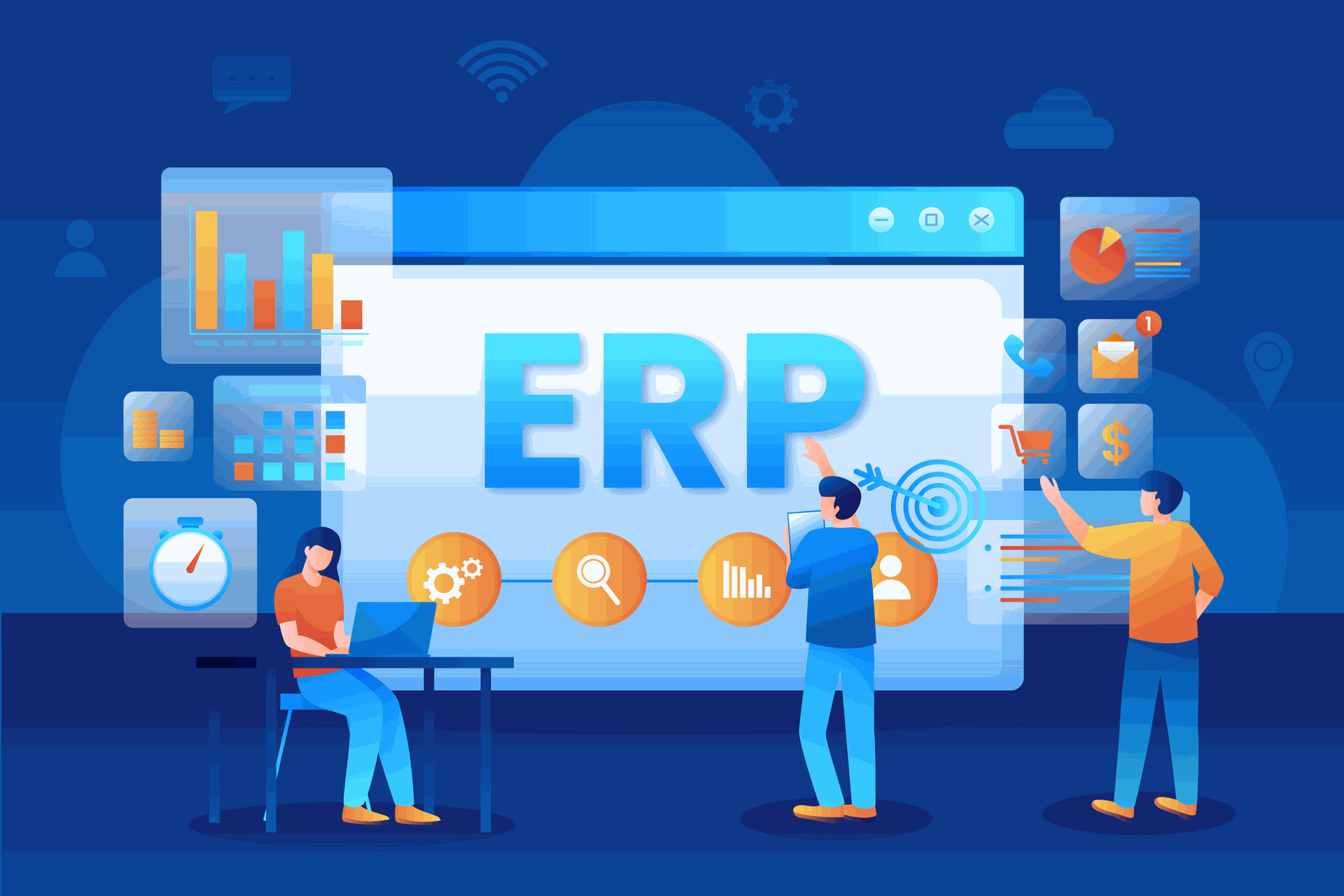
ERP (Enterprise Resource Planning) is a management software system that integrates and manages all critical business activities on a single platform. Through an ERP system, departments such as sales, finance and accounting, inventory management, production, human resources, and customer service can all operate on a unified, centralized database. This eliminates data silos between departments and ensures that information is updated in real-time.
In a modern enterprise, ERP acts as the operational hub of the entire management system. The system helps standardize workflows, minimize manual errors, and enhance control over business operations. Furthermore, ERP provides intuitive reports and dashboards that allow managers to easily monitor business performance, analyze data, and make strategic decisions based on accurate information. Thanks to its flexible integration with other technologies like AI, Big Data, and process automation, ERP is considered the vital foundation for businesses to implement digital transformation effectively and sustainably.
2. Why ERP is a vital foundation in digital transformation strategy

In an era of increasingly fierce competition and rapid digitalization, digital transformation has become a key strategy for businesses to enhance management capabilities and achieve sustainable growth. However, for digital transformation to be effective, enterprises need a technological foundation capable of connecting data, standardizing processes, and supporting decision-making. This is precisely why Enterprise Resource Planning (ERP) systems are considered the core foundation of many digital transformation strategies today. ERP is not merely management software; it serves as a central hub that integrates business operations, creating a synchronized and digitized working environment.
2.1 Enterprise-Wide Data Integration
One of the major challenges for businesses prior to digital transformation is that data is often siloed across different systems or departments, such as accounting, sales, logistics, and HR. This leads to fragmented data that is difficult to control and time-consuming to consolidate. An ERP system solves this by integrating all corporate data into a single unified platform. Every department can access and update data in real-time, ensuring that information remains consistent and accurate. Consequently, businesses can minimize management errors, improve inter-departmental coordination, and enhance overall operational efficiency.
2.2 Standardizing Operational Processes
Beyond data integration, ERP plays a crucial role in standardizing and optimizing a company's operational workflows. In many organizations, work processes are often manual or inconsistent across departments, leading to overlaps and wasted resources. By implementing ERP, business processes such as sales management, inventory control, accounting, procurement, and customer service are standardized and automated on a single system. This reduces manual tasks, limits data processing errors, and increases managerial transparency. Furthermore, standardized processes allow businesses to scale easily and adopt other digital technologies in the future.
2.3 Supporting Data-Driven Decision Making
In the era of data-driven business, making fast and accurate decisions is vital to maintaining a competitive edge. ERP provides reporting tools, analytics, and visual dashboards that give managers a comprehensive view of the company's performance. Instead of gathering data from multiple sources, leaders can access critical information, such as revenue, costs, inventory, or operational KPIs directly within the ERP system. Real-time updates help businesses detect operational issues early and make timely interventions. As a result, ERP not only supports effective management but also empowers businesses to build growth strategies based on precise and reliable data.
3. Benefits of Implementing ERP in Digital Transformation
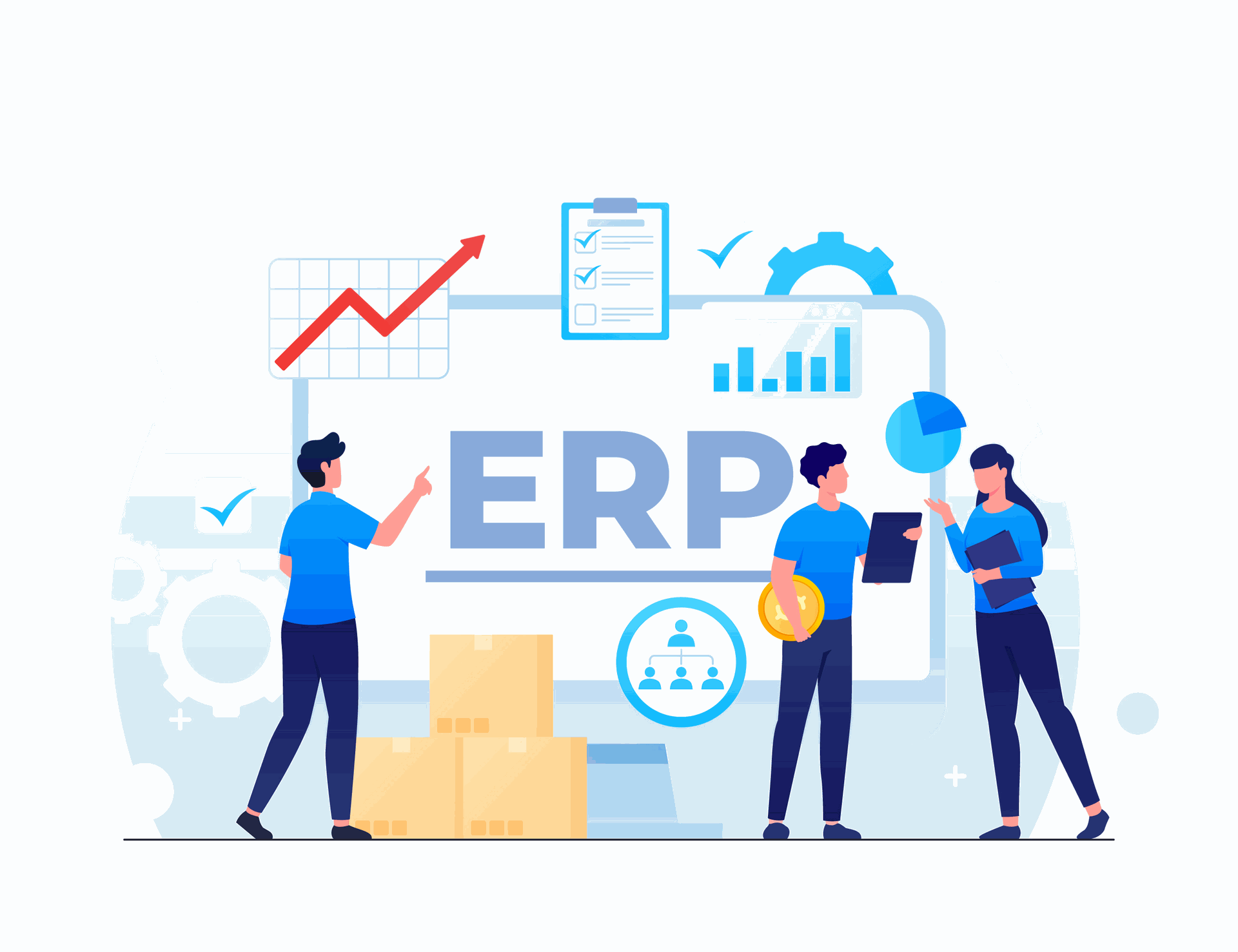
The implementation of an Enterprise Resource Planning (ERP) system brings numerous vital benefits to businesses during the digital transformation process. Beyond merely digitizing management activities, ERP serves as a foundation that helps businesses optimize operations, enhance productivity, and increase market competitiveness. When processes and data are managed on a unified system, enterprises can effectively control business operations and make more accurate strategic decisions.
Enhancing Productivity and Optimizing Operations
One of the most visible benefits of ERP is helping businesses improve work efficiency by automating various operational processes. Instead of handling manual tasks such as data entry, report consolidation, or inter-departmental information exchange, the ERP system performs these actions automatically and accurately. This reduces repetitive tasks for employees, saves time, and allows them to focus more on value-added activities.
Reducing Operational Costs and Minimizing Errors
When a business uses multiple disconnected systems to manage different activities, operational costs often rise due to the maintenance of various software and complex workflows. ERP integrates management functions, such as accounting, sales, inventory, HR, and operations—into a single platform. As a result, businesses can reduce administrative costs, minimize errors caused by manual entry, and improve data accuracy.
Increasing Scalability and Business Growth
During growth, businesses often need to scale operations, add new products, or develop different business models. ERP systems are designed with flexible scalability, allowing enterprises to easily add modules or new features as needed. This helps the business adapt quickly to market changes without having to overhaul the entire management system.
Improving Customer Experience
ERP does not only support internal management; it also contributes to enhancing the customer experience. When customer data, orders, and services are centralized, businesses can track the entire transaction process and respond to customer needs more rapidly. This enables professional service delivery, improves satisfaction levels, and builds long-term relationships.
Strengthening Governance and Decision-Making
ERP provides powerful reporting and data analysis tools that give managers a holistic view of business operations. Financial reports, sales data, inventory levels, and operational performance can all be accessed quickly. With real-time data updates, business leaders can make accurate and timely management decisions, thereby building more effective development strategies during the digital transformation journey.
4. Challenges in Implementing ERP for SMEs
While Enterprise Resource Planning (ERP) systems offer numerous benefits for businesses during their digital transformation, implementation comes with certain challenges. Without a proper implementation plan and thorough preparation, companies may struggle to apply the system to real-world operations. Understanding common hurdles will help businesses proactively build more effective implementation strategies and maximize the value that ERP provides.
Changing Processes and Work Habits
One of the biggest obstacles in ERP implementation is the shift in business workflows. Prior to adopting an ERP system, many businesses rely on manual management methods or fragmented software. Moving to ERP requires processes to be standardized and executed on a single platform, which demands that employees change their habits and familiarize themselves with a new system. Without adequate preparation and internal communication, this transition can meet with hesitation or resistance from staff.
Training and Improving System Proficiency
For an ERP system to be effective, businesses must ensure that employees are fully trained on both the software and the new workflows. Initial training can be time-consuming and resource-intensive, especially for larger organizations or those with many departments. However, this is a critical step to ensure everyone can use the system efficiently and leverage its full features in their daily tasks.
Choosing the Right ERP Solution
The market currently offers a wide variety of ERP solutions with different features, costs, and deployment models. Selecting a system that fits the scale, industry, and specific needs of a business is no small feat. Choosing the wrong solution or a system that lacks the flexibility to meet future growth, lead to difficulties in scaling or upgrading later. Therefore, a careful evaluation of ERP solutions and the selection of a reputable implementation partner are vital factors for project success.
Initial Costs and Implementation Time
Implementing ERP typically requires an initial investment in consulting, deployment, system customization, and personnel training. Furthermore, the implementation timeline can vary depending on the company's size and the complexity of its business processes. However, if executed correctly, ERP delivers long-term value by optimizing operations, reducing management costs, and enha
5. Which Businesses Should Implement ERP for Digital Transformation?

Not every business needs to implement an ERP system from day one. However, as operational scales expand and management processes grow more complex, adopting an Enterprise Resource Planning (ERP) system becomes a pivotal step in a digital transformation strategy. ERP is particularly suited for companies looking to optimize operations, centralize data management, and enhance data-driven decision-making.
Businesses in the Scaling Phase
When a company experiences rapid growth in revenue, headcount, or customer base, traditional management methods, such as spreadsheets or fragmented software—become inefficient. ERP helps manage all activities on a unified system, from sales and finance to logistics and HR. This allows businesses to maintain better control over operations and ensure processes remain synchronized as the organization grows.
Businesses Needing Cross-Departmental Data Synchronization
In organizations with multiple departments (Sales, Accounting, Operations, Warehouse, Customer Service), data is often siloed across different systems. This makes consolidating information difficult and prone to errors. ERP connects all departments on a single platform, ensuring data is updated in real-time and easily accessible. Consequently, teams can collaborate more effectively throughout their workflows.
Businesses in Industries with Complex Processes
Industries such as logistics, manufacturing, commerce, retail, or distribution often involve intricate operational workflows. They require managing diverse data types, including orders, inventory, shipping, and costs. ERP helps manage these processes systematically, minimizing errors and boosting operational efficiency. Furthermore, adopting ERP enables businesses in these sectors to increase competitiveness and adapt faster to market changes.
Businesses Aiming for Operational Excellence and Sustainable Growth
For companies focused on long-term development, ERP is more than just a management tool it is the foundation of a digital transformation strategy. An ERP system helps standardize processes, optimize resources, and provide accurate data to support strategic decision-making. This allows businesses to build a modern governance model, improve performance, and create a solid foundation for future sustainable growth.
6. Sota Solutions – Custom ERP Systems Tailored to Your Business Needs
Sota Solutions provides flexible ERP solutions designed for industry-specific requirements, helping businesses optimize operations, reduce costs, and accelerate digital transformation. Leveraging modern technology and AI integration, we build systems that align 100% with your internal workflows, from sales management and operations to finance and customer service.
Unlike "off-the-shelf" ERP software, Sota ERP allows businesses to scale features stage by stage, ensuring long-term partnership without operational disruptions. Our user-friendly, multi-device interface and process automation can reduce manual tasks by up to 60%, significantly enhancing the user experience.
7. Conclusion
In the journey of digital transformation, building a solid technological foundation is crucial for executing digital strategies effectively. ERP (Enterprise Resource Planning) is a vital step in connecting all business activities within a unified system. Through ERP, departments such as sales, finance, logistics, HR, and operations work on a single data platform, ensuring information is updated quickly, accurately, and transparently.
Furthermore, ERP serves as a launchpad for integrating emerging technologies like data analytics, Artificial Intelligence (AI), and process automation. Thanks to its flexible scalability, an ERP system grows alongside the business to meet increasingly complex management needs. Proper ERP implementation optimizes operations, boosts competitiveness, and creates a sturdy foundation for long-term digital transformation.