Rather than viewing logistics document digitization merely as converting paper records into electronic formats, forward-thinking enterprises are approaching it as a comprehensive operational restructuring. In this framework, every logistics document is more than just an archived file; it is critical data that directly impacts delivery timelines, cash flow, and the customer experience.
When documents are digitized and seamlessly integrated across departments—such as sales, operations, accounting, and customer service—logistics providers can significantly reduce processing times, minimize manual errors, and strengthen oversight. Adopting this strategic approach allows businesses to not only optimize logistics document management but also boost overall organizational performance, thereby sharpening their competitive edge in an increasingly volatile market. Explore the transformative benefits and future trends of paperless logistics in the following article.
1. What is logistics document digitization?
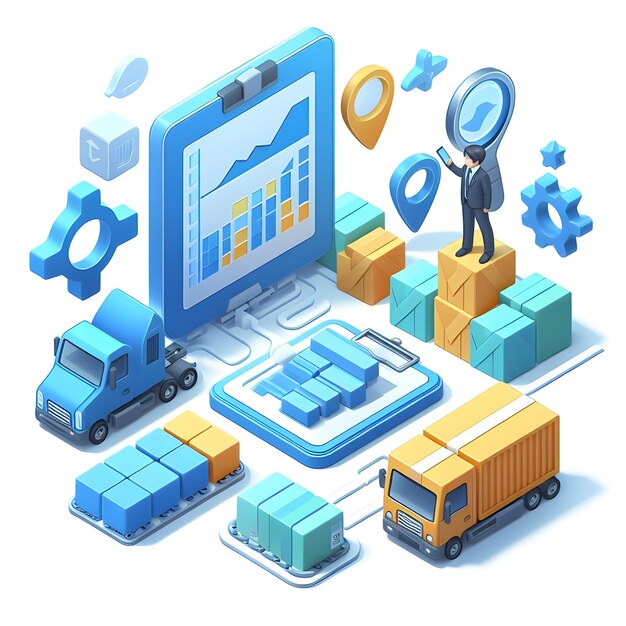
Logistics document digitization is the process of converting traditional paper-based logistics documents into electronic data formats while managing, storing, and processing them on digital platforms. Common digitized logistics documents include bills of lading, invoices, customs declarations, warehouse release/receipt notes, contracts, and other materials related to transportation and supply chain management.
Beyond simple scanning and storage, logistics document digitization facilitates the standardization of document handling, automates workflows, and bridges data gaps between departments such as sales, operations, accounting, and customer service. As a result, logistics providers can manage documents centrally, streamline retrieval, track real-time status, and minimize operational errors.
In the context of digital transformation within the logistics industry, document digitization serves as the cornerstone for enhancing management efficiency, optimizing costs, and sharpening competitive advantages. This is a critical step for logistics firms to incrementally build more intelligent, transparent, and agile operating systems.
2. Why digitizing logistics documents is essential
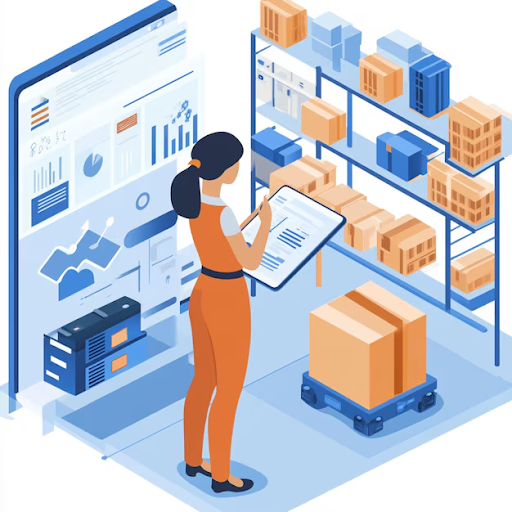
In logistics operations, documentation plays a vital role throughout the lifecycle—from transportation and warehousing to payment and reconciliation. However, manual document management is increasingly revealing limitations, such as prolonged processing times, high error rates, and poor oversight. This is why enterprises must accelerate their logistics document digitization efforts.
Firstly, the volume of documentation in the logistics sector is growing in both scale and complexity. Storing physical paperwork or fragmented files makes it difficult for businesses to retrieve, cross-check, and synchronize data across departments. This bottleneck slows down task execution and directly impacts overall operational throughput.
Secondly, customers and partners are demanding higher levels of transparency and speed. If documents are not updated accurately and in real-time, logistics providers risk losing credibility and competitive opportunities. Digitization ensures that data is always "ready-to-use," easily accessible, and capable of meeting urgent requests.
Finally, logistics document digitization is a fundamental pillar of the industry's digital transformation journey. Digitizing helps enterprises standardize processes, integrate data, and step-by-step construct a modern, flexible, and sustainable operating system.
3. The strategic benefits of digitizing logistics documentation
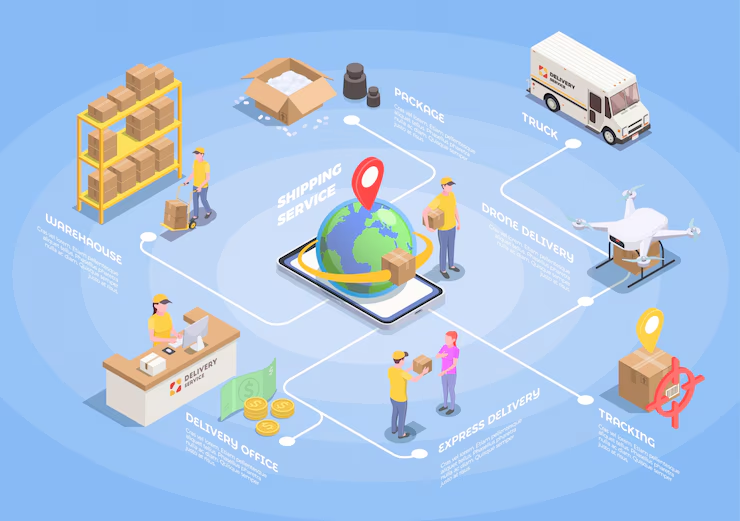
Implementing digital documentation in logistics offers tangible advantages that extend beyond operational efficiency to enhance a firm's market competitiveness.
Optimizing document management workflows
Digital transformation enables enterprises to process, store, and retrieve documents rapidly on a centralized platform, reducing manual interventions and accelerating cycle times.
Cost reduction and risk mitigation
Logistics providers can significantly lower printing and physical storage costs while mitigating risks associated with lost paperwork, data inaccuracies, or duplicated entries during the management process.
Enhanced control and data transparency
Digitized documents updated in real-time allow businesses to track shipment statuses easily, audit processes effectively, and ensure end-to-end transparency across all logistics operations.
Improving the customer experience
With structured digital records, companies can respond faster to customer inquiries and reconciliation requests, thereby improving service quality and overall client satisfaction.
Strengthening competitive advantage in the logistics sector
Digitizing documentation is more than an operational upgrade; it builds a professional brand image, increases service velocity, and creates a sustainable competitive edge in a crowded industry.
4. Leveraging technology for document digitization

True digitization involves more than converting paper into PDFs; it requires leveraging advanced technology to automate workflows, interconnect data, and enhance systemic management.
Logistics document management systems (DMS)
Specialized software allows firms to store, categorize, and manage all records on a unified platform. Documents such as bills of lading (B/L), invoices, contracts, and customs filings are organized systematically for real-time tracking and progress monitoring.
OCR and AI in document recognition
Optical character recognition (OCR) combined with AI enables the automated identification, extraction, and standardization of data from scanned invoices, B/Ls, or customs declarations. Within an ERP environment, this data is automatically reconciled, classified, and pushed to relevant modules like accounting, warehousing, or procurement. This drastically reduces manual data entry, eliminates human error, and accelerates document circulation.
Cloud-based digital storage
Storing logistics data on cloud platforms ensures superior security, seamless scalability, and anywhere/anytime accessibility. Furthermore, automated backups protect against the loss of mission-critical documentation.
Integration across the logistics ecosystem
Digitization reaches peak efficiency when integrated with existing systems like CRM, ERP, TMS, or WMS. Synchronizing data across these platforms eliminates silos, reduces redundancy, and improves cross-departmental collaboration.
By adopting these technologies, enterprises can establish automated document pipelines—from approval and verification to storage and reconciliation—resulting in higher precision and superior management efficiency.
5. What should logistics enterprises prepare for document digitization?
To ensure that the logistics document digitization process is effective and sustainable, enterprises must prepare systematically across three pillars: people, processes, and technology.
First, enterprises need to conduct a comprehensive assessment of their current document management status. This includes auditing document volumes, types, existing workflows, and current pain points. This assessment clarifies digitization objectives, preventing fragmented or unsynchronized implementation.
Next, logistics providers must standardize their document handling workflows prior to digitization. A clear, unified process ensures the digital system operates efficiently, reduces errors, and allows for seamless integration with other systems such as CRM, ERP, or TMS.
Furthermore, selecting the right technology solution is critical. Enterprises should prioritize logistics document digitization software that offers scalability, robust security, and flexible integration capabilities. Concurrently, staff training is essential to ensure the team fully understands and effectively utilizes the digital system within daily operations.
6. Future trends in logistics document digitization

In the era of rapid digital transformation, logistics document digitization is evolving beyond simple storage. The focus is shifting toward automation, connectivity, and the optimization of the entire logistics chain. Below are the prominent trends that logistics enterprises should monitor.
Document processing automation via advanced AI and OCR
Next-generation AI and OCR go beyond high-accuracy character recognition. They now integrate Machine Learning (ML) models to learn from historical data, recognize complex document structures, and detect anomalies. In the future, this technology will automatically adapt to new document templates, improve validation checks, and suggest data corrections before entry into the ERP system. Consequently, logistics firms can further reduce processing times, minimize human dependency, and achieve higher automation levels in document management.
End-to-end data connectivity across the logistics chain
The future of digitization lies in the ability to interconnect and share data between logistics providers, customers, transport partners, and regulatory authorities. This connectivity ensures that document workflows remain seamless and transparent, enhancing coordination efficiency across the entire supply chain.
Adoption of cloud-based platforms and digital ecosystems
Storing logistics documents on cloud platforms remains a dominant trend due to its flexible scalability, high security, and anytime-anywhere accessibility. Moreover, digital ecosystems allow for the integration of digitized documents with CRM, ERP, TMS, and WMS, enabling centralized management and operational optimization.
Standardization of electronic documents and legal compliance
Electronic logistics documents will increasingly be standardized according to international regulations and benchmarks. This shift helps logistics enterprises maintain legal compliance, increase transparency, and facilitate smoother cross-border trade operations.
Digitization as a driver for sustainability
Logistics document digitization offers more than just operational efficiency; it significantly reduces paper consumption and resource waste, contributing to "green logistics." This will be a vital trend as enterprises place greater emphasis on environmental responsibility and sustainable development.
7. Conclusion
Logistics document digitization is becoming an inevitable trend as the industry faces intensifying competition and heightened demands for speed, accuracy, and transparency. Implementing digitization does more than just optimize document management workflows; it establishes the essential framework for a comprehensive digital transformation.
With proper preparation and the selection of the right solution, digitizing logistics documentation enables enterprises to enhance operational efficiency, elevate service quality, and build a sustainable competitive advantage in the long term. Contact us to receive complimentary resources and a live demo of the latest technological solutions for document digitization in the logistics sector.